South Africa often appears on dream travel lists: safaris, coastlines, wine estates, and vibrant cities.
But if you or your travel companion have mobility challenges, visual impairments, or need adapted facilities, the real question is simpler and more practical:
Is South Africa genuinely accessible? or does it just say it is?
This guide gives you a clear, honest answer. No marketing promises. Just what works, what doesn’t, and what you need to think about before deciding.
Yes. South Africa can be a realistic and rewarding destination for accessible travel. But accessibility does not happen automatically.
When it’s planned well, the experience can be excellent.
When it’s planned poorly, it can feel limiting or stressful.
The difference comes down to planning, realistic expectations, and choosing the right places.
Accessibility in South Africa is strongest in certain settings. Knowing where those are makes all the difference.
Cape Town is the most accessible city in the country.
What generally works well:
Private guiding is often key here. It allows you to move at your own pace rather than adapting to group tours that aren’t designed with accessibility in mind.
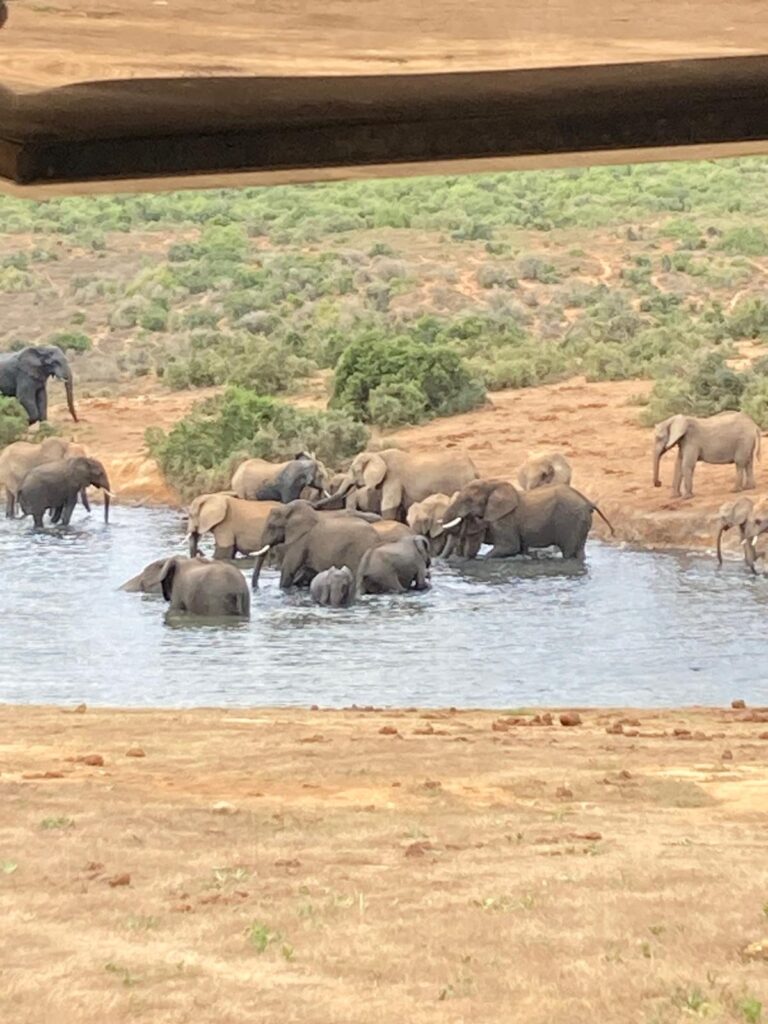
Safari is often the biggest concern, and the biggest surprise.
Some private game reserves offer:
These lodges make it possible to enjoy wildlife without repeated transfers or feeling excluded from the experience.
Not all safari camps offer this, but the right ones do.
Many travellers worry that wine estates or scenic areas will be difficult. In reality:
These experiences often suit accessible travel better than busy city centres or crowded group tours.
This is the part that often gets glossed over, but it matters.
Accessibility is not consistent across South Africa. Challenges can include:
This doesn’t mean these places are impossible. It does mean choices need to be made carefully. Sometimes that’s about selecting one lodge over another. Sometimes it’s about adjusting expectations around certain activities.
These are the questions that really matter:
The answers depend on where you go, who you travel with, and how the itinerary is designed.
This is where specialist accessible travel planners add real value.
They:
Their role isn’t to make everything possible. It’s to make the right things possible, with dignity, comfort, and confidence.
If you’re researching independently:
Focus on regions where accessibility is strongest rather than trying to cover the whole country. Depth matters more than distance.
If you want expert guidance:
A specialist can help sense-check accommodation, routes, and logistics so you can decide with clarity, not overwhelm.
You can also read our guide on How Long Do You Really Need for a First Trip to South Africa? and What Does a Luxury South Africa Trip Actually Cost? A Realistic Guide
Accessible travel isn’t about lowering expectations.
It’s about designing a journey that respects your needs while still offering beauty, meaning, and memorable experiences.
South Africa can absolutely do that, when it’s approached with honesty, care, and the right planning.
You can also read our guide on Is South Africa Safe for UK Travellers? An Honest Assessment
Your insider guide to travelling safely, meaningfully, and well.
Created by Sandra Dowling, who called South Africa home for 36 years.
Quick transparency note: I’m Sandra Dowling, and I specialise in South Africa travel planning. I’ve written this article to give you honest, practical insights based on 36 years of living there – so you can make a confident, informed decision about whether South Africa is right for your travel style. Whether you decide to use a consultant, plan independently, or work with me, the goal is the same: empowering you with the knowledge to travel safely and meaningfully.
Sandra Dowling lived in South Africa from 1982 – 2018 and now helps UK travellers assess whether South Africa suits their travel style. This article aims to provide balanced information for confident decision-making, regardless of which travel approach you choose.
If you would like tailored guidance for your trip, book a friendly call with me.
EXCELLENTTrustindex verifies that the original source of the review is Google. We recently worked with Sandra to plan our honeymoon, and it was the best decision we could have made! From the very beginning, she took the time to really understand what we wanted—a balance of relaxation, adventure, and a few special touches to make the trip unforgettable. Every detail was handled so smoothly, from flights and transfers to hotel bookings and excursions. We didn’t have to worry about a thing, which made the whole experience stress-free. What really stood out was the personal touch, Sandra checked in with us before, during, and even after our trip to make sure everything was perfect. Thanks to Sandra’s knowledge and care, our honeymoon was better than we could have imagined. We came home with incredible memories and can’t wait to plan our next trip with them. I’d highly recommend Sandra to anyone looking for a travel agent who truly goes above and beyond. Chloe & Coggy xPosted onTrustindex verifies that the original source of the review is Google. We booked our honeymoon with Sandra after meeting her at the wedding show. We wanted to go on our honeymoon just after the wedding & Sandra took all of the stress out of the planning process for us. Sandra gave us various options to suit our budget & helped us choose which would be more appropriate for us. Throughout the process Sandra really impressed us with her expertise & love for what she does. We travelled around Canada & then went on a cruise of Alaska. Sandra put all of the information that we could possibly need into an app which made our time away so much easier to navigate. Whilst away we encountered some issues due to forest fires & airline strikes, we messaged Sandra & she replied very quickly to offer advice & find out more information for us. We had the most amazing time & have a lot to thank Sandra for! We will definitely be booking with her again!Posted onTrustindex verifies that the original source of the review is Google. On behalf of myself and my wife Helen I cannot thank Sandra enough for organising our Honeymoon. From our very first conversation to our final review call she has been nothing short of incredible. We gave her an idea of what we were looking for and she absolutely nailed it. Once confirmed she sorted literally everything and the app that everything is housed in is great, it makes the process so simple To the point it felt weird (in a good way) to be so hands of with the arranging of the trip We went to Paradise Cove In Mauritius and it was no exaggeration the most beautiful place we have ever been and if it wasn’t for Sandra we would’ve never known of the place! I cannot recommend Sandra any higher and I genuinely can’t see us having another holiday without Sandra sorting it Since returning we have booked a trip to Florida with her and she has again nailed everything and the itinerary is perfect I am a sceptic and was waiting for what ‘the catch is’ and it never came just incredible service from someone extremely passionate about their work Thank you SandraPosted onTrustindex verifies that the original source of the review is Google. Sandra was incredible at helping us plan our honeymoon! Sandra really listened to what we wanted, kept everything within our budget, and had so much knowledge of our destinations to help us plan activities and make it special. The communication all the way through was amazing and made the whole process so easy and stress-free. We also loved the app — it was so handy having everything in one place! Overall, Sandra made the whole experience brilliant, and we’re so grateful. We will be coming back to plan our future adventures.Posted onTrustindex verifies that the original source of the review is Google. We are so pleased that we contacted Sandra to arrange our holiday to Canada and Alaska. The arrangements she organised made our holiday seamless. There were no problems whatsoever but we knew that if there were we could contact her through the App she set up. It was particularly useful that she was able to do our online check-in for the return flights to the UK. The personal touch means a lot and the fact that she contacted us after the holiday for our feedback will help others who may do a similar trip. Thankyou Sandra, it was great.Posted onTrustindex verifies that the original source of the review is Google. The service that Sandra provided for us was outstanding and our honeymoon wouldn't have been what it was without her. She was professional, approachable and hard-working throughout, from the very first chat at the wedding fair to the final feedback call. The app was also particularly good and made travelling a lot smoother for us. We will be using her again for future trips.Posted onTrustindex verifies that the original source of the review is Google. What a fabulous experience! Sandra planned our honeymoon to Thailand and I can honestly say it was the BEST holiday we’ve ever been on. I didn’t need to worry about a thing, which with all the wedding worries, was much appreciated! Sandra took in our hobbies and favourite things to do on holidays before suggesting a range of locations for us to choose from. Really understanding from a price perspective and super helpful with suggestions of things to do and excursions in Thailand. Would 100% recommend and will be rebooking!Posted onTrustindex verifies that the original source of the review is Google. Sandra helped us with a holiday to Cape Town and the Garden Route. It was a first time to South Africa. We had a fantastic holiday there and all the arrangements were perfect from start to finish. The service was very personal, and all arrangements were loaded on to an App, which was very easy to use and communicate through. I would fully recommend.Posted onTrustindex verifies that the original source of the review is Google. Sandra was amazing and listened to all our wants as a family of 7. The moat amazing thing was the holiday came in under the budget we had planned and Sandra did all the leg work. Would recommend to everyone xPosted onTrustindex verifies that the original source of the review is Google. Sandra was amazing during the whole of our honeymoon experience. We must have had 2 or 3 online calls to find our Taylor made trip. There was no pressure and Sandra gave us loads of advice and had so much knowledge about all kinds of places. We eventually picked South Africa, safari and Mauritius. Sandra sorted the whole package out, flights, transfers and accommodation. The trip couldn’t have gone any smoother and we had the best time. The Safari was fantastic and would go back on one tomorrow. The relaxing in Mauritius after was beautiful and chilled. I’d definitely use Sandra again to book trips. Thank you so much.
© Copyright 2026. Website By: Krystal Designs | Photography By: Screen Photography