When Is the Best Time to Visit South Africa?

A Month-by-Month Guide Based on What You Want to Experience

South Africa is one of the few destinations in the world that offers something spectacular every month of the year. Whether you’re visiting for safari, wine, walking, photography, or coastal relaxation, the right time to visit depends entirely on your priorities.

This guide walks you through what to expect seasonally, so you can align your trip with the experiences that matter most to you.
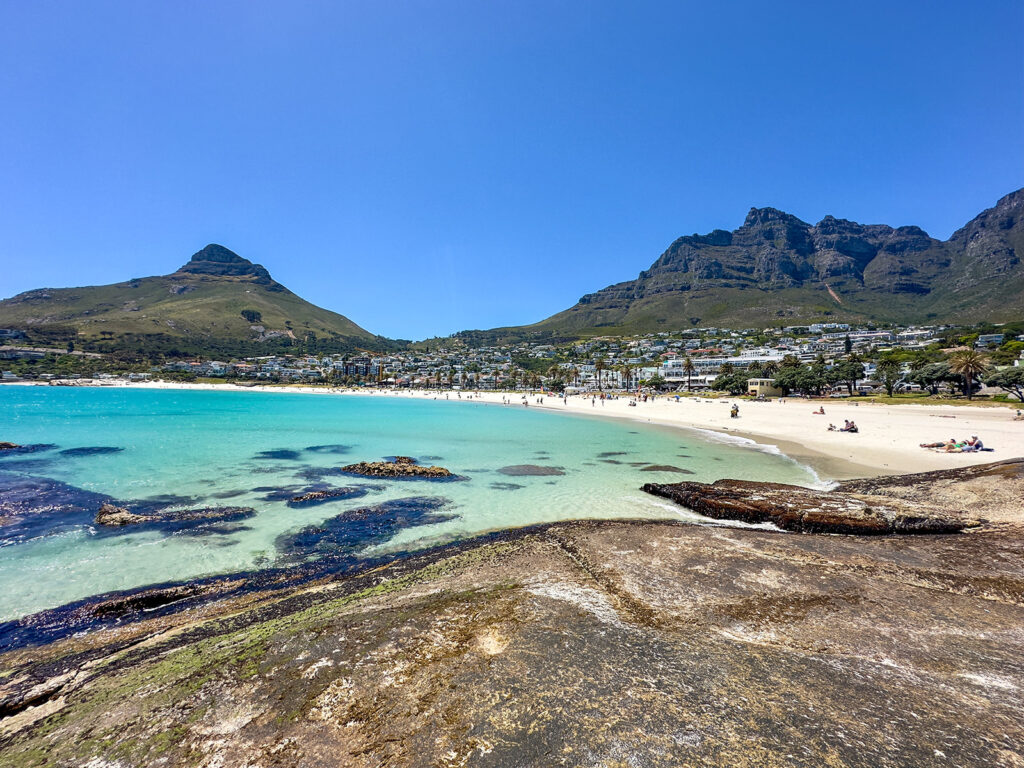
Wildlife Viewing: Every Season Brings Something Unique

South Africa’s safaris are not limited to one ideal month. Each season offers a different kind of magic.

Best Times by Region:

  • Kruger, Madikwe, Waterberg: June–October is dry, cool, and ideal for animal sightings near waterholes.
  • Eastern Cape Reserves (Addo, Kariega, Amakhala): June–September is best — malaria-free, family-friendly, and often paired with coastal stays.
  • KwaZulu-Natal (Hluhluwe-iMfolozi, Phinda): Year-round options thanks to its subtropical climate.
    • Winter (June–August) = dry, clear views
    • Summer (Nov–Mar) = birding, green landscapes, newborn wildlife

Photography tip: Summer (Dec–Feb) offers dramatic skies, vibrant greenery, and predator-prey activity due to newborn antelope.
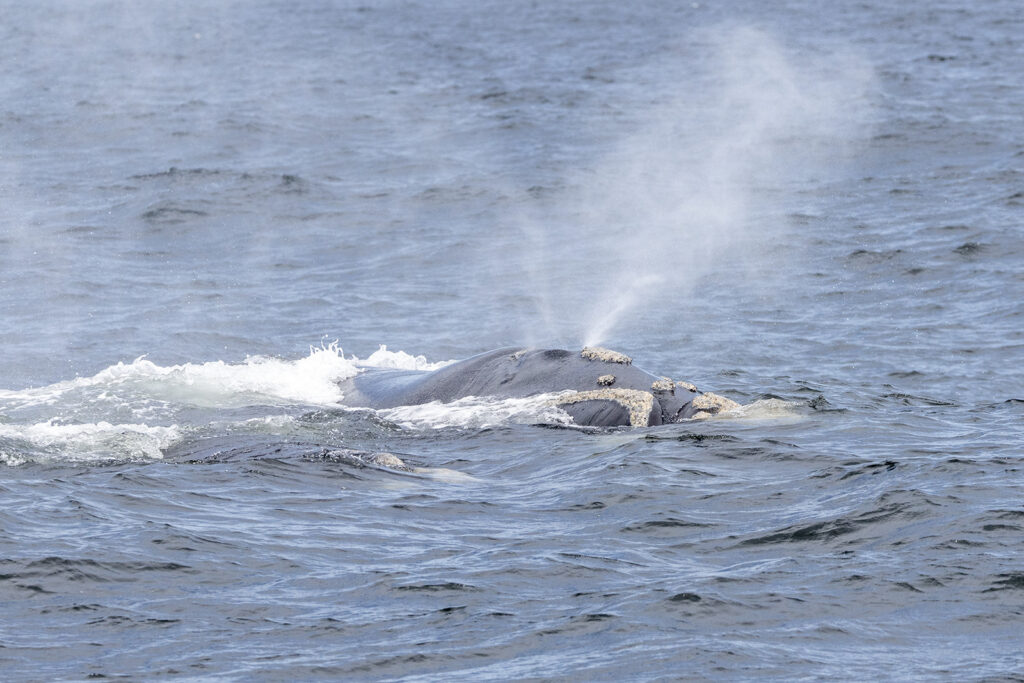
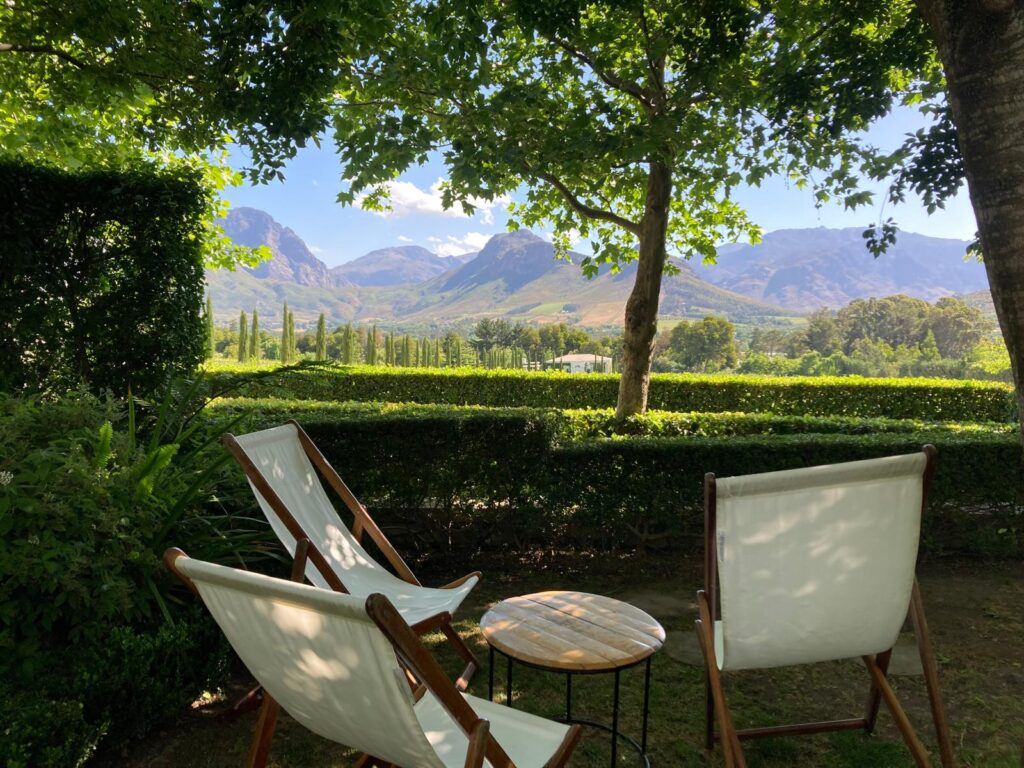
 

Wine & Gourmet Travel: Harvest, Festivals & Slow Season Charm

  • Harvest Season (Feb–April): Perfect for wine tastings, cellar tours, and food pairings during peak grape season.
  • July: The Franschhoek Bastille Festival combines winter cosiness with French flair and culinary indulgence.
  • Anytime: The Cape Winelands (Franschhoek, Stellenbosch, Paarl) are beautiful year-round, though winter can be chilly and expect rain. Boutique wineries and fine dining are always in season.

Walking & Hiking: Clear Skies and Cooler Trails

Best Seasons: March–May and September–November (pleasant temps, fewer rains)

Top Trails:

  • Drakensberg Mountains: Towering ridges and multi-day treks.
  • Otter Trail: Coastal 5 day hike ranked among the world’s best (book far ahead).
  • Cape Peninsula: Lion’s Head sunrise hikes and Silvermine fynbos trails.

Namaqualand: Flower hikes during July–September.
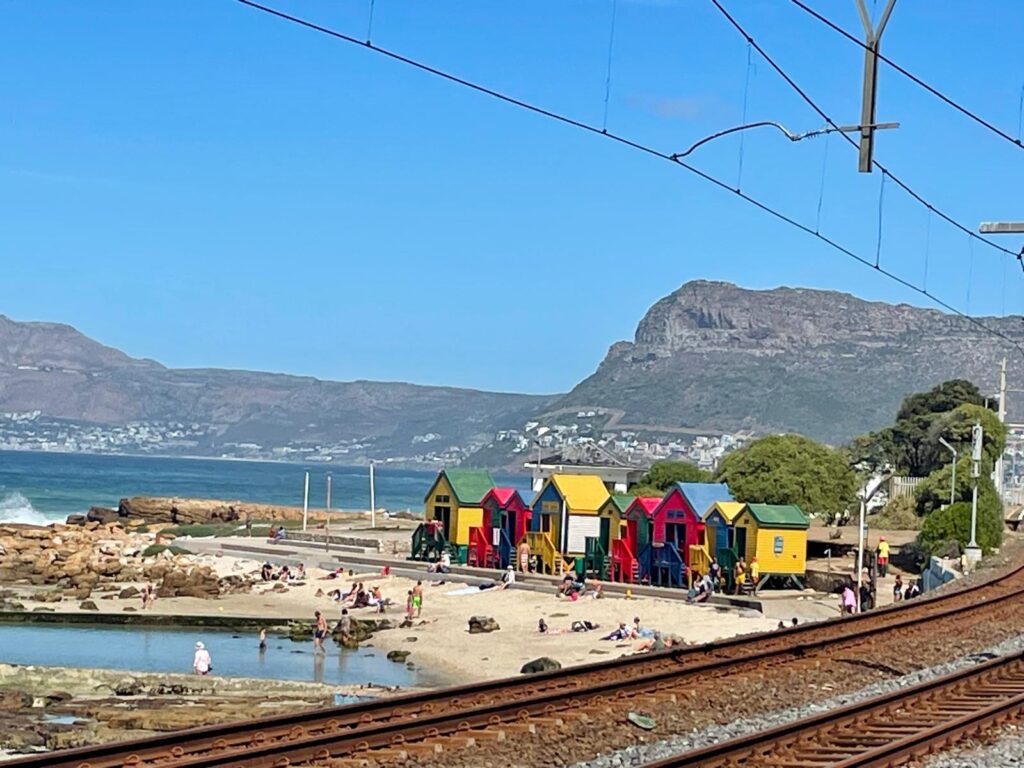
Beaches & Coastal Escapes

KwaZulu-Natal Coast:

  • All-Year: Warm waters (up to 27°C), palm-lined beaches, sea turtles, and snorkeling.

Western Cape:

  • Dec–March: Best for beach walks and scenic drives (sea stays cool year-round)
  • June–September: Avoid for beach time due to rainy season.

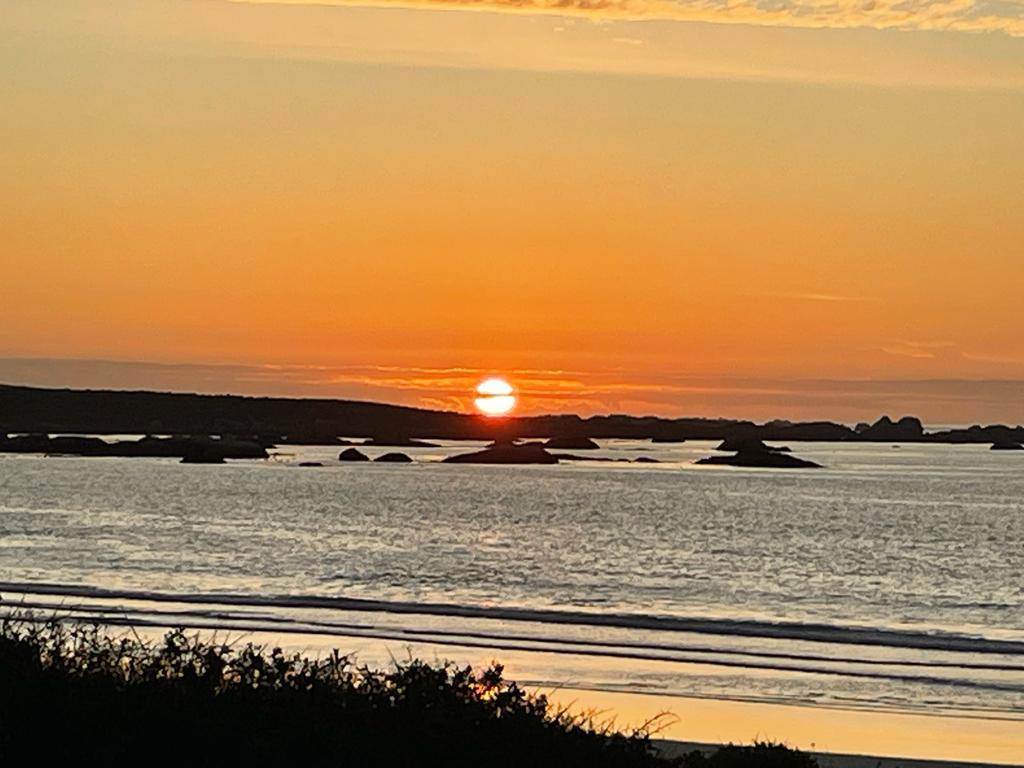
Don’t miss: Penguin colonies at Boulders Beach and Betty’s Bay, plus Blue Flag beaches for clean, lifeguarded coastlines.
Festivals & Seasonal Highlights

These annual events offer local flavour, community spirit, and unforgettable moments:

MonthEventRegion
July–SepNamaqualand Flower SeasonNorthern Cape
JulyKnysna Oyster FestivalGarden Route
JulyDurban July Horse RaceDurban
NovFicksburg Cherry FestivalFree State
SepWhale FestivalHermanus
Mar/AprCape Town Jazz FestivalCape Town
AugOppikoppi Music FestivalLimpopo
JuneComrades MarathonDurban–Pietermaritzburg
JulyNational Arts FestivalMakhanda
JulyWordfest South AfricaCape Town

Mandela Day (18 July): Give Back While You Travel

Travelling around July? South Africa’s Mandela Day encourages visitors and locals to give 67 minutes in service of others — a powerful way to connect meaningfully.

Ideas for Travellers:

  • Cape Town: Volunteer food packing (FoodForward SA), community gardening, or walk shelter dogs.
  • Johannesburg: Join mass food-packing events or participate in the Mandela Day Walk & Run.
  • Nationwide: Many hotels and vineyards offer service-focused experiences.

Bonus: The Freedom Concert at St George’s Cathedral blends music with activism in an unforgettable setting.

Winter Travel: Underrated and Surprisingly Rewarding

Even if you’re tied to UK school holidays (July–Aug), South Africa still offers incredible opportunities.

  • Gauteng (Johannesburg): Crisp, dry winter days are ideal for museums, street art, and food markets.
  • Kruger & Waterberg: Peak safari conditions — clear visibility, dramatic wildlife around waterholes.
  • KwaZulu-Natal: Daytime temps often hover in the 20s, with whale sightings along the coast.

What to Know: Interior nights can drop below freezing, pack layers and plan for wide temperature swings.

How to Choose the Right Time (For You)

Ask yourself:

  • What are your must-have experiences (wildlife, wine, beaches, photography)?
  • Are you restricted by UK holidays, or do you have date flexibility?
  • Do you prefer quiet moments and low crowds over peak-season buzz?
  • Would you rather see a bit of everything or go deep into one theme?

What Expert Planners Consider (That Blogs Don’t Always Mention)

If you're seeking guidance, here's what travel professionals weigh:

  • Regional weather contrasts (e.g. Cape Town winter rain vs Kruger summer rain)
  • Festival timing and how it overlaps with your interests
  • Distances between destinations (South Africa is large)
  • Your preferred pace, budget, and level of independence
  • Availability of accommodation or guides during peak events

Final Thought: There’s No “Perfect Month” — Only the Right Month for You

South Africa isn’t about chasing ideal weather windows.

It’s about choosing the season that matches your story, whether that means game drives at dawn, wildflower hikes, wine-tasting festivals, or cultural celebrations that connect you to something greater.

Want More Help?

If you’re unsure how your timing aligns with what you want to experience, speak with someone who knows the regions intimately. An honest conversation can help you avoid the guesswork and build a trip that feels aligned, not generic.

What Every UK Traveller Should Know Before Planning South Africa

Your insider guide to travelling safely, meaningfully, and well.

Created by Sandra Dowling, who called South Africa home for 36 years.