
How Many Days Do You Need on Safari in South Africa?

If you’re planning your first safari in South Africa, one of the first questions is usually:

How many nights do you actually need on safari?

You’ll see itineraries suggesting anything from two nights to a full week, which can make it hard to know what’s realistic.

The short answer is:

For most travellers, three nights is the ideal minimum.

That usually gives you enough time to enjoy several game drives, settle into the rhythm of safari life, and improve your chances of seeing a wide range of wildlife.

But the right number of nights depends on your travel style, your wider South Africa itinerary, and how important safari is within the overall trip.

The short answer

For most first-time travellers:

  • 2 nights = possible, but short
  • 3 nights = ideal minimum
  • 4–5 nights = better if safari is a major focus

That’s the simplest way to think about it.


Why three nights is the usual recommendation

Most safari lodges recommend three nights because it usually gives you:

  • an afternoon game drive on arrival day
  • two full days with morning and afternoon drives
  • a final morning drive before departure

That means you’ll often get five game drives in total.

This matters because wildlife is unpredictable. Even in excellent reserves, sightings can vary from drive to drive. The more time you have, the less pressure there is on each outing.

Three nights also gives you time to settle into safari’s natural rhythm:

  • early mornings
  • quieter afternoons
  • evening drives when animals start moving again

That slower pattern is part of what makes safari feel special.
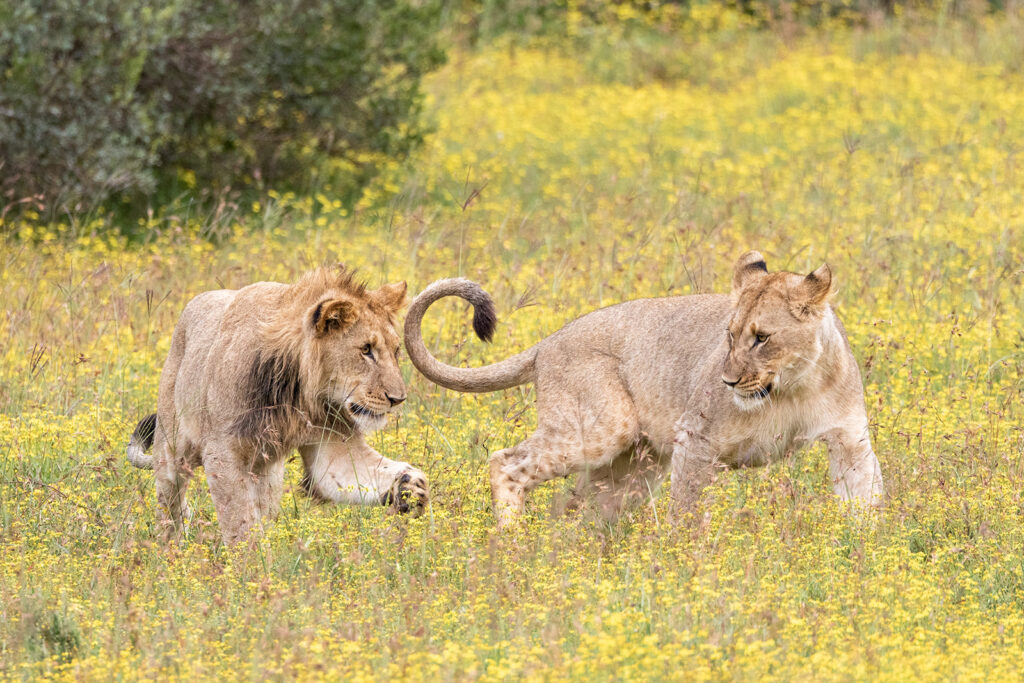
Is two nights enough?

Yes — two nights can work, especially if safari is just one part of a wider South Africa trip.

A two-night stay usually includes:

  • an afternoon drive on arrival
  • a morning and afternoon drive the next day
  • a final morning drive before departure

That still gives you four game drives, which can absolutely produce brilliant sightings.

The downside is pace.

With only two nights:

  • the safari can feel slightly rushed
  • there’s less time to relax into the environment
  • you may leave just as you’re starting to understand the rhythm of it all

So two nights is possible — but it’s usually the shortest stay worth considering.

When it makes sense to stay longer

If wildlife is one of the main reasons for your trip, it often makes sense to stay four or five nights.

A longer safari gives you:

  • more relaxed game viewing
  • better chances of seeing elusive animals
  • time to explore different parts of the reserve
  • space to enjoy extras like walking safaris or photography experiences

It also allows your guides to build on sightings from previous days, which can lead to more rewarding encounters.

Longer stays are especially good if:

  • you’re a keen wildlife lover
  • photography matters to you
  • safari is the main focus of the trip

Does it matter whether you’re in a private reserve or a national park?

Yes — it can affect how many nights feel right.

Private reserves

Private reserves often include:

  • guided morning and afternoon drives
  • expert rangers and trackers
  • structured safari routines
  • more consistent sightings in a shorter timeframe

Because the experience is guided and focused, you can often get a lot from three nights.

National parks

In national parks such as Kruger, travellers often self-drive.

That gives you:

  • more flexibility
  • more independence
  • but also more time spent searching for wildlife yourself

Because of that, self-drive safari often benefits from more time, especially if you want a relaxed pace.
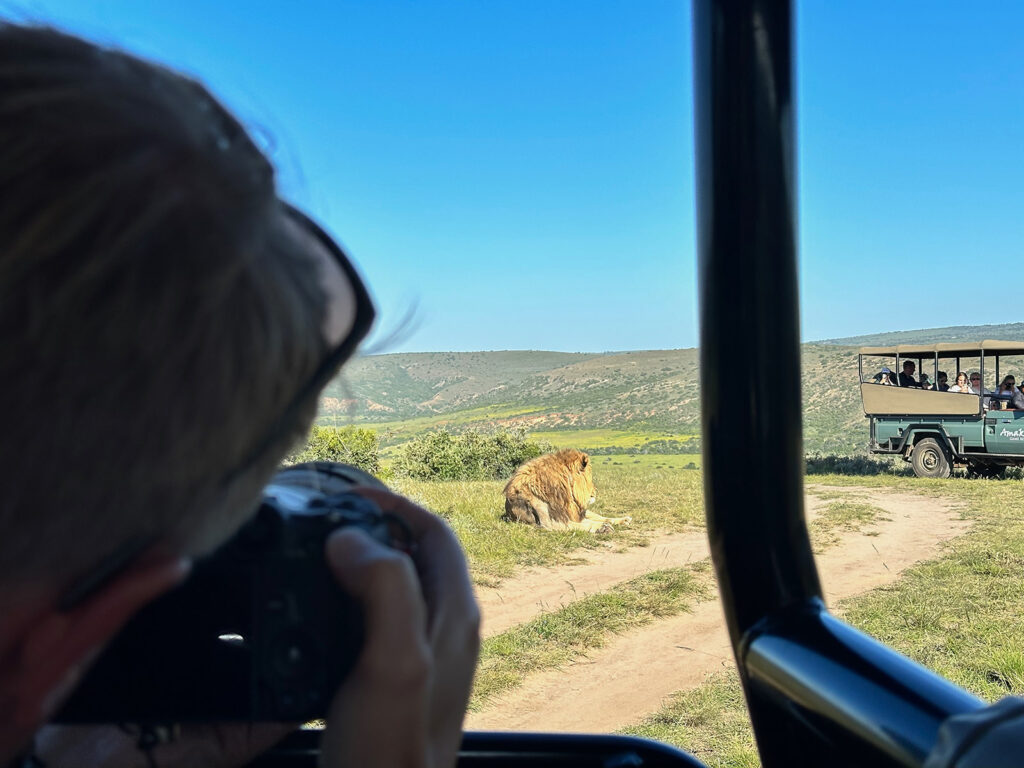
 

How safari fits into a wider South Africa trip

For many UK travellers, safari is only one part of the journey.

It’s often combined with:

  • Cape Town
  • the Winelands
  • the Garden Route
  • beach destinations such as Mauritius or Mozambique

If you’re building a two-week South Africa itinerary, three nights on safari usually works very well.

It gives you a proper safari experience while still leaving time for the rest of the trip.

If you try to shorten safari too much, it can feel like a rushed add-on rather than a real highlight.

How to decide what’s right for you

Before you choose, ask yourself:

  • Is safari the main reason for this trip?
  • Am I combining it with other destinations?
  • Do I prefer a slower pace or a more packed itinerary?
  • Would I enjoy activities beyond game drives, such as walking safaris or photography?

Your answers usually make the right length much clearer.

A simple rule of thumb

If you want:

  • a short but worthwhile safari → 2 nights
  • the best balance for most travellers → 3 nights
  • a deeper wildlife experience → 4–5 nights

That’s the most practical way to plan it.

Final thought

For most first-time travellers to South Africa, three nights on safari is the sweet spot.

It’s long enough to enjoy multiple game drives, settle into the rhythm of the bush, and give yourself a strong chance of memorable wildlife encounters.

Some people stay longer, especially if safari is the main focus.
But even a relatively short safari often becomes one of the most unforgettable parts of the trip.

What Every UK Traveller Should Know Before Planning South Africa

Your insider guide to travelling safely, meaningfully, and well.

Created by Sandra Dowling, who called South Africa home for 36 years.

You Might Also Find These Useful

If you’re planning a South Africa trip and thinking about the Garden Route, one of the first questions is usually: When is the best time to go? The short answer is that the Garden Route works well all year round. But the experience changes depending on what matters most to you — warmer beach weather, whale watching, quieter roads, or how it fits with the rest of your South Africa trip. This guide breaks that down clearly.
If you’re planning your first trip to South Africa, this is one of the most common questions: Can you realistically do safari, Cape Town, and the Garden Route in one holiday? The short answer is yes — you can. In fact, it’s one of the most popular first-time South Africa combinations. The better question is: Can you do all three without the trip feeling rushed?
South Africa often appears on dream travel lists: safaris, coastlines, wine estates, and vibrant cities. But if you or your travel companion have mobility challenges, visual impairments, or need adapted facilities, the real question is simpler and more practical: Is South Africa genuinely accessible? or does it just say it is?
