An honest comparison for UK travellers trying to choose the right safari experience
If you’re planning a South Africa holiday, the safari decision can feel surprisingly confusing.
At first, it sounds simple enough.
You want wildlife. You want good guiding. You want a comfortable place to stay. You want to see animals in the wild, not feel as though you’ve accidentally booked something that resembles a glorified zoo visit.
Then you start researching.
One article tells you Kruger National Park is one of the greatest wildlife destinations in Africa. Another tells you private game reserves offer a far better safari. Someone in a Facebook group says they self-drove through Kruger and saw everything. Someone else says they only truly understood safari once they stayed in a private reserve with a ranger and tracker.
And then you look at the prices.
Suddenly, the difference between Kruger and a private game reserve is not just a wildlife question. It becomes a budget question, a comfort question, a safety question, a honeymoon question, a photography question, and sometimes even a “what sort of traveller are we?” question.
So, which is best?
The honest answer is: not always the most expensive one.
Kruger National Park and private game reserves both offer extraordinary wildlife experiences, but they suit different travellers, different budgets, and different expectations. For some people, the freedom and scale of Kruger is exactly the right fit. For others, the guiding, comfort, and intimacy of a private reserve is worth every penny.
For many first-time UK travellers, the best answer may even be a thoughtful combination of both.
If you are still working out the wider shape of your holiday, it may also be worth reading How Long Do You Really Need for a First Trip to South Africa? alongside this article, because the number of nights you have makes a big difference to whether Kruger, a private reserve, or a combination of both will work well.
Before comparing the two, it helps to clear up one common misunderstanding.
When people say “Kruger”, they may mean several different things.
They might mean:
This is why safari research can feel so muddled. Two people may both say they “went to Kruger”, but their experiences may have been completely different.
For the sake of this article, I’m comparing:
Kruger National Park
The public national park, where you can self-drive, stay in rest camps or lodges, and explore a vast protected wilderness at your own pace.
Private game reserves
Privately managed wildlife areas, often adjoining Kruger or located elsewhere in South Africa, where guests usually stay in lodges and go out on guided game drives with professional rangers and trackers.
There are grey areas in between, but this gives us a useful starting point.
The simplest way to understand the difference is this:
Kruger gives you independence. Private reserves give you interpretation.
In Kruger, especially if you self-drive, you are in charge of your day. You decide when to leave, which road to take, how long to sit at a waterhole, whether to stop for coffee, and whether to turn left because someone at the rest camp mentioned lions near a dry riverbed.
That freedom is wonderful if you enjoy exploring, making your own decisions, and letting the day unfold.
But you are also doing much of the work yourself.
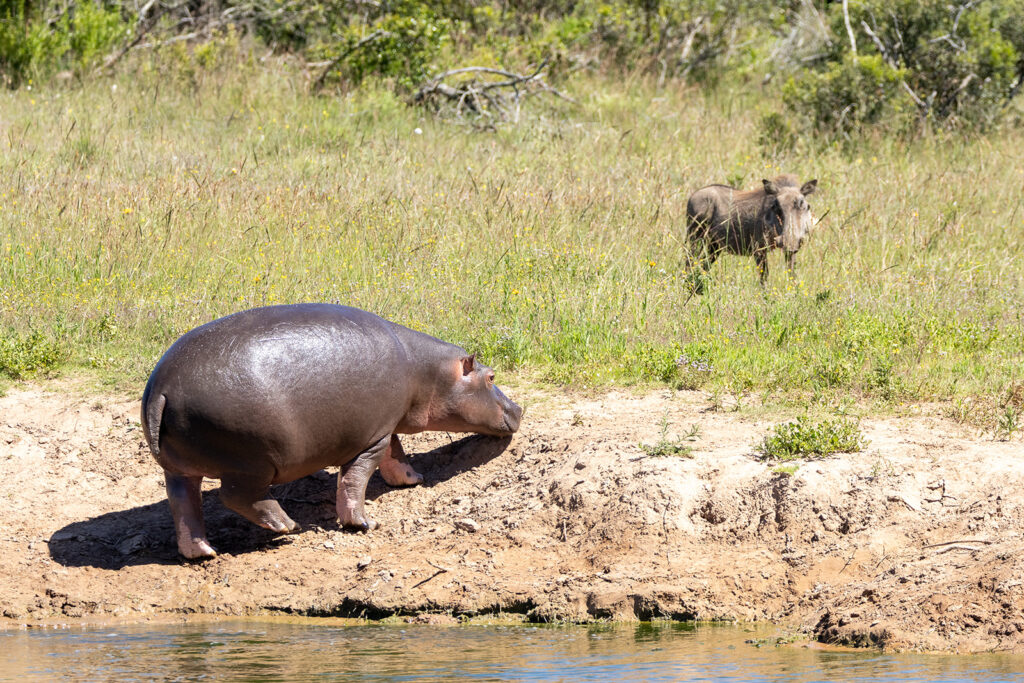
You are scanning the bush. You are reading the map. You are deciding whether that shape under the tree is a rock, a warthog, or possibly a sleeping lion. You are interpreting behaviour without much help unless you’ve booked a guided drive.
In a private reserve, the rhythm is different.
You are usually woken early with coffee before heading out with a ranger, and often a tracker sitting on the front of the vehicle. They read the tracks, listen to bird calls, understand animal movement, and communicate with other guides in the reserve.
You’re not just looking for animals. You’re being helped to understand what you’re seeing.
That may sound like a small distinction, but in reality it changes the whole feel of the safari.
For some travellers, that expert interpretation is the difference between “we saw a leopard” and “we watched a leopard move through her territory while the guide explained her behaviour, her hunting patterns, and how she fitted into that particular landscape.”
Both are exciting. One simply gives you more context.
If you are also deciding whether to self-drive more generally during your safari, Should You Self-Drive or Use a Private Guide on Safari in South Africa? will help you think through where independence works beautifully and where expert local support adds real value.
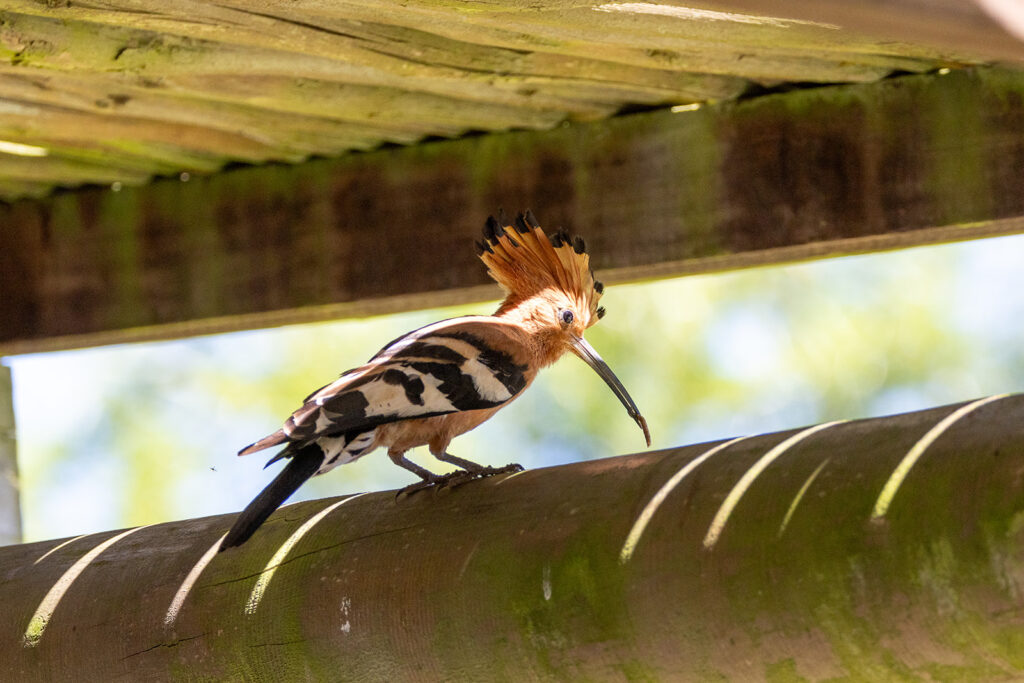
This is usually the first practical question.
Will you see more wildlife in Kruger or in a private reserve?
The truthful answer is: you can have excellent wildlife viewing in both.
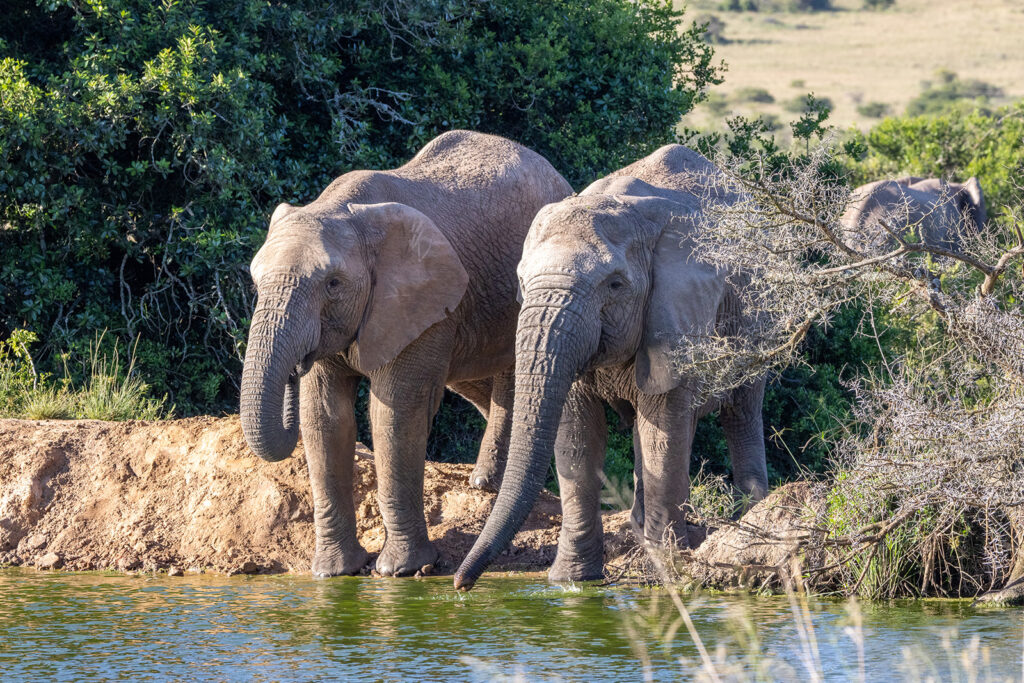
Kruger is a world-class wildlife destination. It has an enormous range of habitats and supports large populations of elephant, buffalo, rhino, lion, leopard, wild dog, giraffe, zebra, antelope, hyena and countless bird species. Because of its size, it offers a true sense of wilderness.
There is something deeply thrilling about driving yourself along a Kruger road and suddenly seeing elephants crossing ahead of you, or realising that the “branch” in the tree is actually a leopard tail.
Those moments feel earned.
But Kruger can also be unpredictable.
You might have a morning where you see very little. You might arrive at a lion sighting and find several vehicles already there. You might miss animals that an experienced guide would have spotted instantly.
A private reserve tends to increase your chances of high-quality sightings because the whole experience is built around guided wildlife tracking.
The ranger and tracker are not simply driving around hoping for the best. They are reading the environment. They know which animals have been moving through the area. They may be able to follow tracks off-road where permitted. They will usually communicate with other guides so that sightings are managed and shared carefully.
This does not mean every private reserve safari is dramatic every day. Wildlife is still wild. There are no guarantees, and that is part of what makes it meaningful.
But in a good private reserve, your chances of close, well-interpreted sightings are generally stronger.
If you’re unsure how many nights you need to give yourself a fair chance of enjoying those sightings without feeling rushed, read How Many Days Do You Need on Safari in South Africa? as a companion to this article.
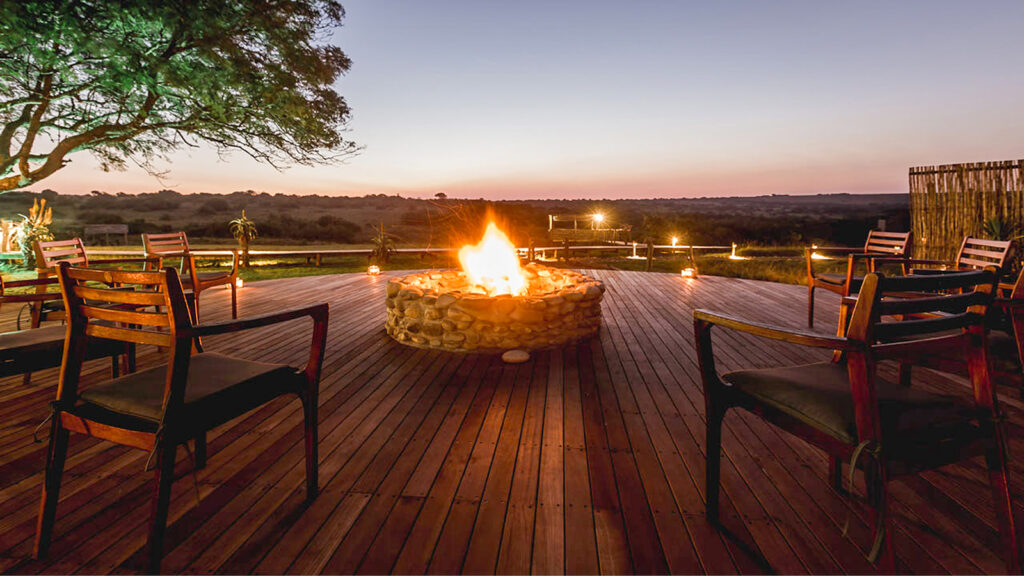
This is where the conversation can become misleading, because “luxury” means different things to different people.
For some, luxury means a large suite, private plunge pool, outdoor shower, excellent wine, beautiful food, and a massage between game drives.
For others, luxury is simply not having to think.
No driving. No queues. No working out gate times. No deciding where to eat. No worrying whether you’ve booked the wrong camp or chosen the wrong road.
A private reserve often bundles all of this into the experience.
You usually pay per person per night, and that rate may include:
At first glance, it can look expensive. And it is.
But it is not the same as comparing a hotel room with a hotel room. You are paying for a complete safari environment.
In Kruger, costs are usually more separated. You may pay for accommodation, park entry, food, fuel, guided drives, and other extras individually. This can make it much more affordable, but it also means more decisions and more planning.
A helpful way to think about it
With Kruger, you are often buying access.
With a private reserve, you are buying access plus expertise, hosting and comfort.
That doesn’t mean a private reserve is automatically worth it. If you love self-driving, enjoy planning, and don’t need high-touch service, you may not value everything included.
But if you want the safari to feel smooth, supported and deeply interpreted, the additional cost may make sense.
This is also why it helps to look at safari as part of your total South Africa budget, not in isolation. If you are still trying to understand how safari affects the overall price of the holiday, read What Does a Luxury South Africa Trip Actually Cost? A Realistic Guide before making a final decision.