If you’re reading this, you’ve likely found yourself in the same position as many discerning UK travellers, captivated by South Africa’s promise of authentic wildlife encounters, world-renowned wine regions, and rich cultural heritage, but genuinely concerned about safety.
You’ve probably spent hours researching online, only to find a confusing mix of glowing travel blogs and alarming headlines. One article raves about “life-changing experiences,” while another warns of serious safety concerns. Meanwhile, your friends who’ve visited share conflicting stories – some felt completely secure, others had concerning moments.
So what’s the actual truth?
Drawing from over 35 years of firsthand experience living in South Africa, including raising a family and engaging with diverse communities. I’ll outline the patterns, risks, and strategies that help UK travellers decide if this destination suits their travel style.
The straightforward answer: South Africa requires more situational awareness than touring through Tuscany, but it's entirely suitable for travellers who want authentic experiences beyond sanitised tourist zones when approached with proper planning.
What the headlines don't tell you: Most safety incidents involving tourists follow predictable patterns, circumstances you can avoid with awareness and preparation. Think of it like visiting any major international city: Istanbul, Naples, or certain areas of London require street sense, but millions travel there safely every year.
The visible reality: South Africa's economic contrasts are more apparent than in many destinations. Wealth disparities exist alongside extraordinary natural beauty and rich cultural heritage. This creates both the safety considerations you're researching and the authentic cultural opportunities many travellers seek.
You can also read our guide on How Long Do You Really Need for a First Trip to South Africa?
Based on extensive observation and tourism industry data, tourist safety incidents typically involve:
Each situation above has straightforward alternatives. Urban areas have excellent ride-sharing services for evening transport. Most regions offer established, well-reviewed accommodation with appropriate security measures. Cultural experiences exist through proper community-based tourism initiatives that welcome respectful visitors.
Realistic perspective: Many experienced travellers report feeling as secure in South Africa's tourist areas as they do in major European cities when following basic urban awareness practices.
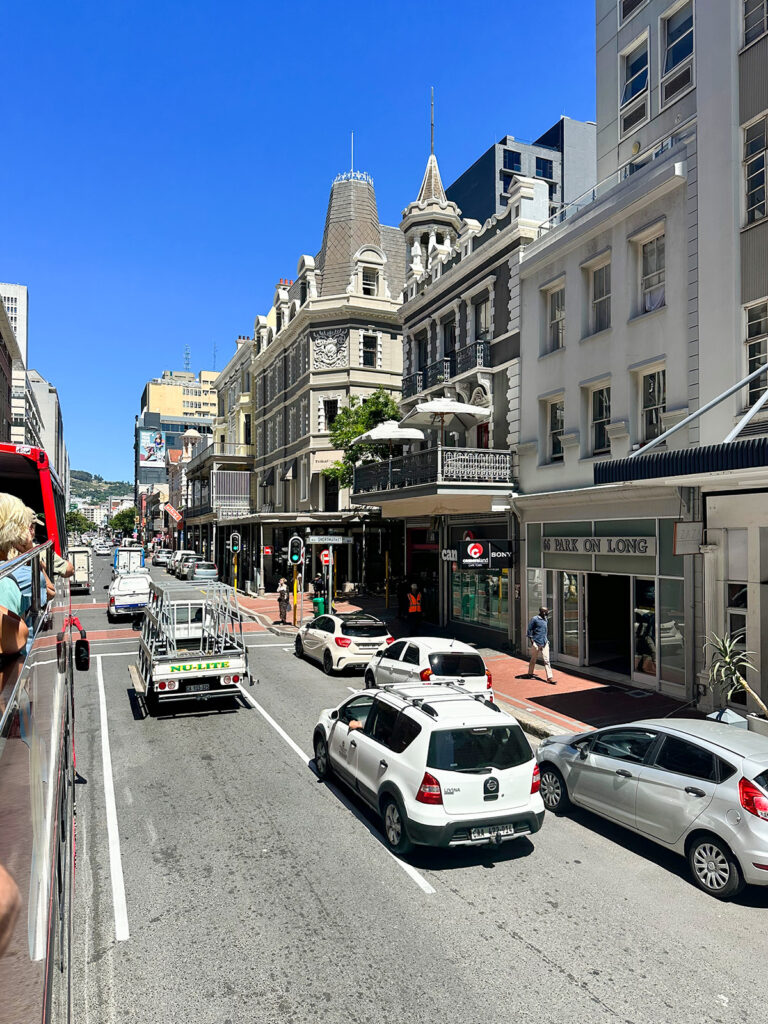
Your choice between independent travel and guided experiences depends on your comfort level, travel style, and specific regions you're exploring.
Suitable regions:
Self-drive advantages:
Considerations for self-drive:
Experiences enhanced by guides:
What good guides provide: Guided travel offers in-depth cultural context, safety support, and insider access to experiences requiring local relationships. However, it may come at a higher cost and with less flexibility than independent travel.
Many travellers combine both: self-drive for scenic regions like the Winelands, with guided experiences for cultural sites or specific conservation projects.
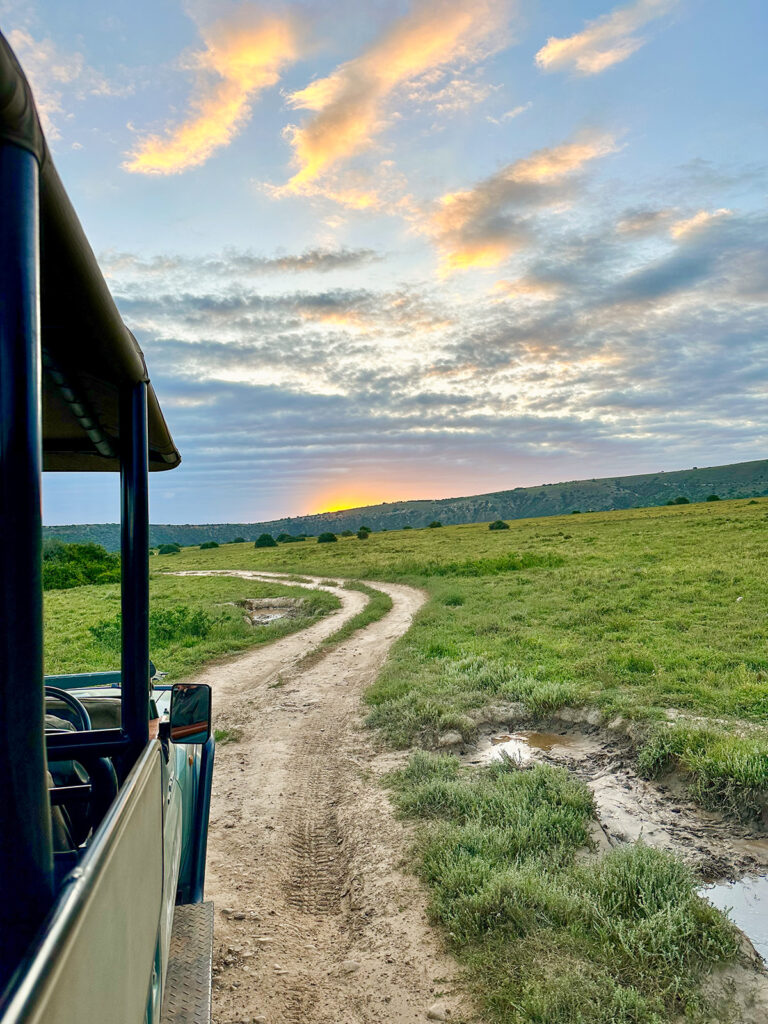
These recommendations synthesise advice from South African tourism authorities, experienced travellers, and local knowledge:
Remote regions: Ensure reliable communication and emergency contact information
Why cultural awareness matters for safety: Respectful engagement with local communities creates positive interactions and safer experiences. Understanding South Africa's complex history helps you navigate social situations appropriately.
Community-based tourism: Many townships and rural communities welcome visitors through established programmes that benefit local residents. These require advance arrangement but offer authentic cultural exchange when done properly.
Supporting local communities: Whether through accommodation choices, restaurant selections, or activity bookings, your travel choices can positively impact local economic development while enhancing your own experience quality.
Photography or special interest tours: Structured around specific activities
Honest assessment of specialist travel planning limitations:
Alternative if specialist services don't appeal: Use the safety guidelines and cultural awareness information provided here for confident self-planning, or consider established small group tours that provide local expertise with fellow travellers.
Self-planned approach: A couple from Hampshire spent three weeks self-driving the Garden Route and Winelands, using boutique accommodation recommendations and booking wine tastings directly. They appreciated the freedom and cost-effectiveness, though noted they missed some cultural context they later learned about.
Specialist-planned approach: A couple from Bath worked with a travel consultant for cultural experiences and conservation projects while self-driving between destinations. They valued cultural access and peace of mind, though acknowledged the higher cost.
Small group approach: A couple from Yorkshire joined an established 12-person tour focusing on wildlife and wine. They enjoyed meeting fellow travellers and expert guides, though had less flexibility for personal interests.
Each approach worked well for different travel styles and priorities.
South Africa can be an extraordinary destination for UK travellers who understand its complexities and plan accordingly. Whether you choose specialist guidance, careful self-planning, or established group tours, the key is matching your approach to your comfort level and travel goals.
The safety question: With proper awareness and planning, South Africa is suitable for discerning travellers seeking authentic cultural and natural experiences.
The approach question: Your choice between guided, independent, or hybrid travel should reflect your comfort level, budget, interests, and how much cultural context versus independence you prefer.
If specialist planning appeals to you: Look for consultants with genuine recent experience and ask the evaluation questions provided above.
If you prefer independence: Use the safety guidelines, cultural awareness tips, and resource links provided for confident self-planning.
If you're curious about whether a specialist planning approach fits your travel style: I'm happy to offer a no-pressure consultation. Regardless of your choice, the guidelines in this article will help you plan a safe, meaningful trip.
If group tours interest you: I’m happy to guide you with a no-pressure consultation in choosing established operators with strong safety records and cultural expertise.
The best South Africa experience is the one that matches your travel preferences and gives you confidence to enjoy this remarkable country's authentic offerings.
For immediate specific safety questions or to explore the specialist planning option: Contact me at sandra.dowling@notjusttravel.com. 07917 607 510
For self-planning resources: The South African Tourism website (southafrica.net) provides current safety information, regional guides, and certified accommodation listings.
You can also read our guide on What Does a Luxury South Africa Trip Actually Cost? A Realistic Guide and Can You Combine Safari, Cape Town and the Garden Route in One Trip?