
How to Experience the Real South Africa (And Avoid Tourist Traps)

If you’ve ever returned from a trip unsure whether you experienced the “real” country or just the polished stage version, you’re not alone.

South Africa is magnificent, complex, and deeply layered, offering moments that can truly change your perspective. But it also has its share of photo stops, choreographed performances, and overpriced “luxury” that may leave you questioning the value.
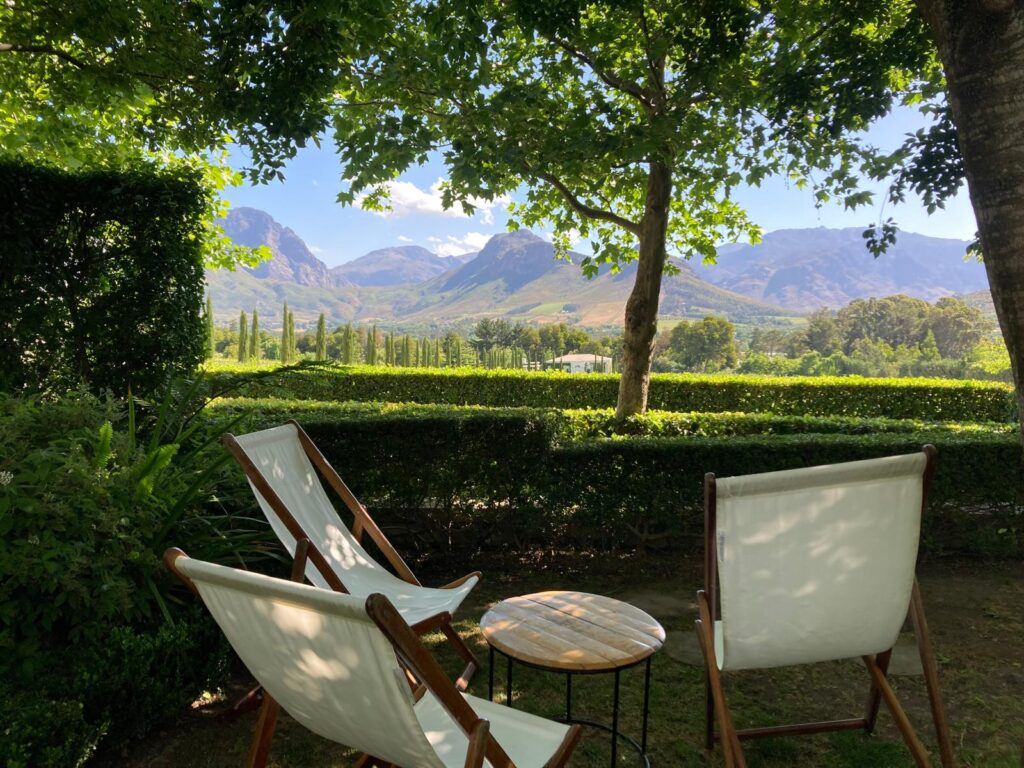
Why the Difference Matters

A tourist trap isn’t just an overpriced attraction, it’s a missed opportunity for meaningful connection. Authentic experiences bring depth and understanding, while tourist traps often reduce a destination to a checklist and a gift shop.
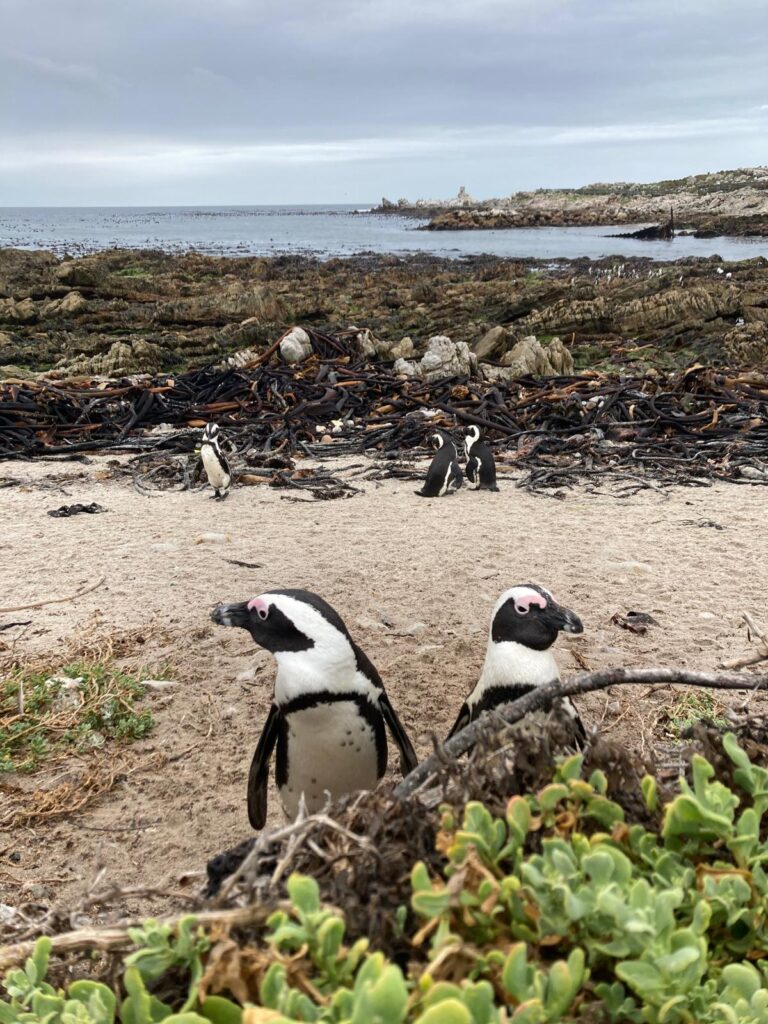
Signs You’re Booking a Tourist Trap

  1. Overemphasis on staged photos – If the focus is on one pre-set shot, you’re seeing the highlight reel, not the real story.
  2. Crowds and scripted timing – Multiple coaches and repeated performances drain authenticity.
  3. Luxury without local connection – Comfort alone isn’t enough if it lacks heritage, craft, or conservation context.
  4. Rushed cultural visits – An hour in a township without genuine conversation is not immersion.


Hallmarks of an Authentic Experience

  • Relationships over reservations – Sharing a home brew sorghum beer, hearing stories passed down generations.
  • Context that changes your view – Guided walks with those who have lived the history.
  • Room for the unexpected – Time to linger in a padstaal (roadside farm shop) or pause a hike for local discoveries.
  • Direct community benefit – Your visit supports livelihoods, not just a marketing budget.


You can also read our guide on How Long Do You Really Need for a First Trip to South Africa?

Key Questions Before Booking

  • Who owns and runs the experience?
  • What’s the guide’s local connection?
  • Does your spend benefit the community?
  • How flexible is the itinerary?
  • Is the experience scripted or open-ended?

The Truth About Authenticity

It takes effort and trusted relationships to arrange. It may be less convenient, but it’s infinitely more rewarding. Authenticity comes through context, depth, and human connection, not simply comfort or spectacle.

Are You Getting the Real Thing?

You know you are if you leave with:

  • New stories you couldn’t Google
  • Local voices sharing their history
  • Time for genuine connection
  • Perspective you’ll keep for life

If all you have are the same photos as everyone else, you’ve probably seen the “show,” not the substance.

Final Word

The real South Africa will surprise, move, and change you, if you let it. The key is to look beyond glossy brochures and ask deeper questions. With thoughtful planning and a focus on meaningful encounters, your time in South Africa can be far richer than the standard tourist trail.

You can also read our guide on What Does a Luxury South Africa Trip Actually Cost? A Realistic Guide and Is South Africa Safe for UK Travellers? An Honest Assessment

What Every UK Traveller Should Know Before Planning South Africa

Your insider guide to travelling safely, meaningfully, and well.

Created by Sandra Dowling, who called South Africa home for 36 years.

You Might Also Find These Useful

If you’re planning a South Africa trip and thinking about the Garden Route, one of the first questions is usually: When is the best time to go? The short answer is that the Garden Route works well all year round. But the experience changes depending on what matters most to you — warmer beach weather, whale watching, quieter roads, or how it fits with the rest of your South Africa trip. This guide breaks that down clearly.
If you’re planning your first trip to South Africa, this is one of the most common questions: Can you realistically do safari, Cape Town, and the Garden Route in one holiday? The short answer is yes — you can. In fact, it’s one of the most popular first-time South Africa combinations. The better question is: Can you do all three without the trip feeling rushed?
If you’re planning your first safari in South Africa, one of the first questions is usually: How many nights do you actually need on safari? You’ll see itineraries suggesting anything from two nights to a full week, which can make it hard to know what’s realistic.
