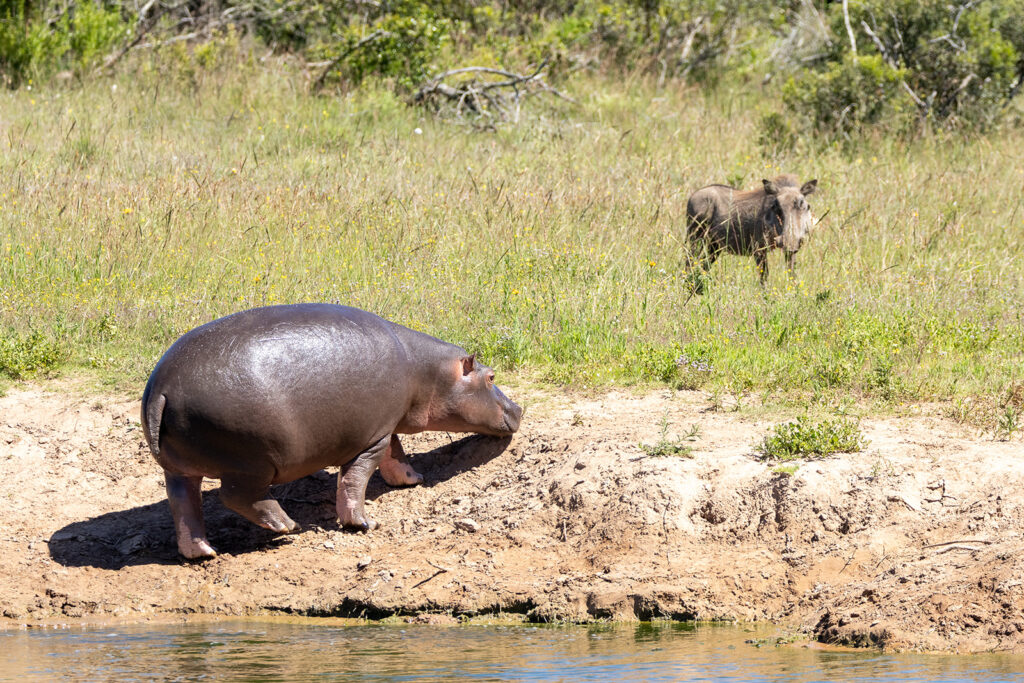
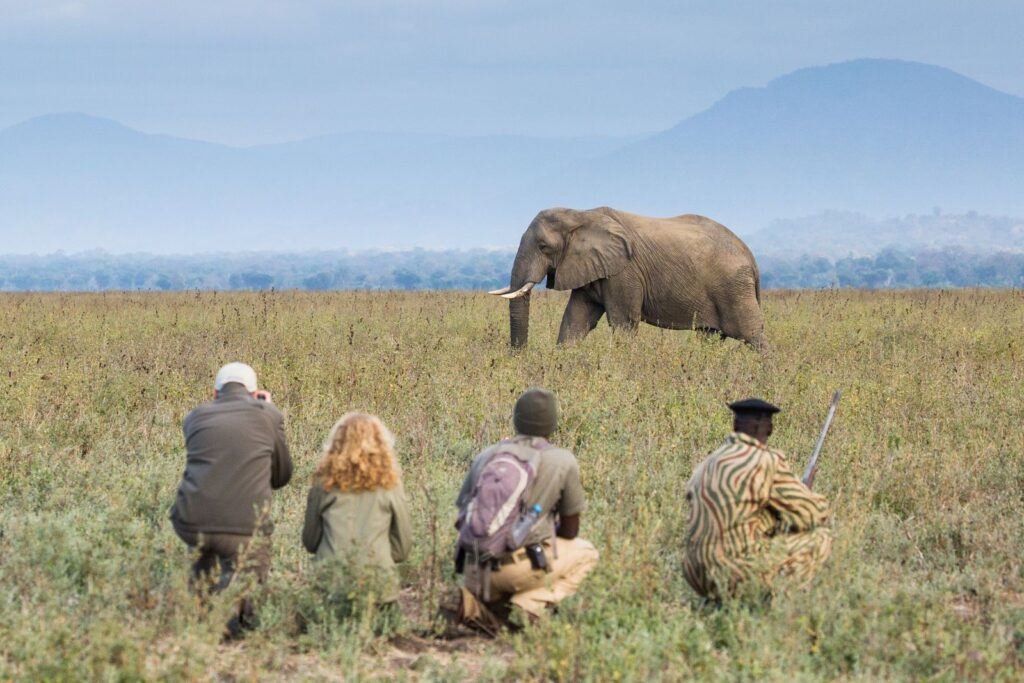
Conservation in South Africa isn’t just about protecting wildlife, it’s about balancing ecosystems, involving local communities, and addressing modern challenges like poaching and habitat loss.
If you only experience animals from the back of a game vehicle, you’re missing out on the deeper connections that come from:
Instead of simply spotting rhino from a distance, some reserves allow guests to join anti-poaching patrols or rhino monitoring walks. You might learn how to identify spoor (tracks), check camera traps, and see firsthand the painstaking work that goes into keeping these animals safe.
Strength: Deep, hands-on insight into conservation challenges.
Limitation: Not every reserve offers this, and availability may depend on permits and your fitness level.
Conservation doesn’t succeed without local support. Certain lodges in KwaZulu-Natal and the Eastern Cape integrate community visits with conservation projects. You may meet school groups learning about wildlife, or artisans whose income reduces reliance on poaching.
Strength: You see the human side of conservation.
Limitation: These require careful curation, not all “community visits” are equally respectful or impactful.
South Africa has world-leading rehabilitation centres for cheetahs, raptors, and endangered species. Visiting with the right guide can give you access to behind-the-scenes insights, such as the veterinary care required before animals can be released back into the wild.
Strength: Transparency and education.
Limitation: You’ll need to check whether the facility is ethical and genuinely focused on release, not “petting zoo” entertainment.
Some reserves invite travellers to contribute to real research, such as photographing leopards for ID catalogues or recording bird species for biodiversity counts.
Strength: Active participation, knowing your holiday contributes to real data.
Limitation: Requires patience, you might spend hours following a single animal without dramatic encounters.
Ask yourself (or your consultant) these questions before committing:
Will I come away with new understanding of conservation, not just photos?
You can also read our guide on Is South Africa Safe for UK Travellers? An Honest Assessment
An experienced South Africa travel specialist won’t just pick any “conservation” add-on, they’ll help you distinguish between marketing buzzwords and genuine impact. That means:
If you’re the kind of traveller who wants stories worth telling, not just snapshots, conservation experiences can transform your time in South Africa. They offer perspective, purpose, and connection to something larger than yourself.
You can also read our guide on How Long Do You Really Need for a First Trip to South Africa? and What Does a Luxury South Africa Trip Actually Cost? A Realistic Guide