What’s the Difference Between Private Reserves and National Parks in South Africa?

If you’re planning a safari in South Africa, one of the most common questions is:


“Should I visit a national park or a private reserve?”

Both offer unforgettable wildlife encounters, but the experiences — and costs — are very different. Here’s a clear breakdown to help you decide which best fits your travel style.

National Parks: Independence and Scale


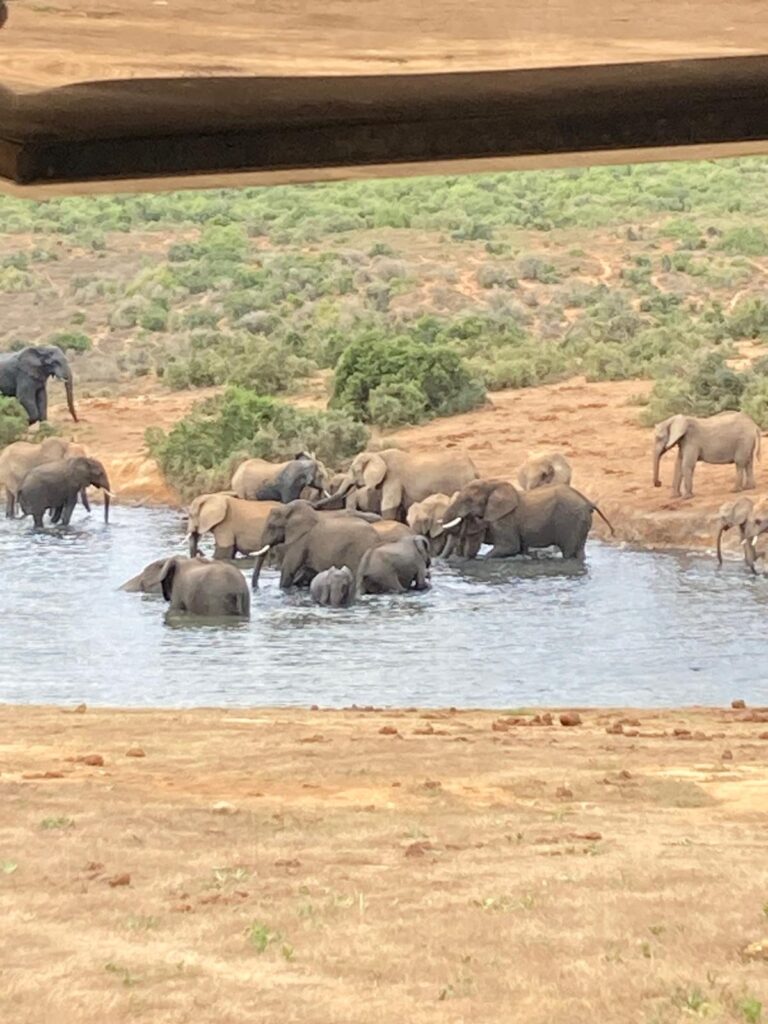
Examples: Kruger, Addo Elephant, Table Mountain


Pros

  • Affordable: Entry fees are in the hundreds of rand, not thousands. Rest camps and self-catering keep costs lower.
  • Freedom: Drive yourself, set your own pace, and stop where you like.
  • Sheer size: Kruger is bigger than Wales, offering vast wilderness and unexpected sightings.


Considerations

  • Crowds: Popular sightings can attract 5–10 vehicles.
  • Fixed hours: Gates open sunrise–sunset; night drives only with official guides.
  • DIY spotting: You may miss animals without expert eyes.

Private Reserves: Guided and Exclusive

Examples: Sabi Sands, Timbavati, Phinda


Pros

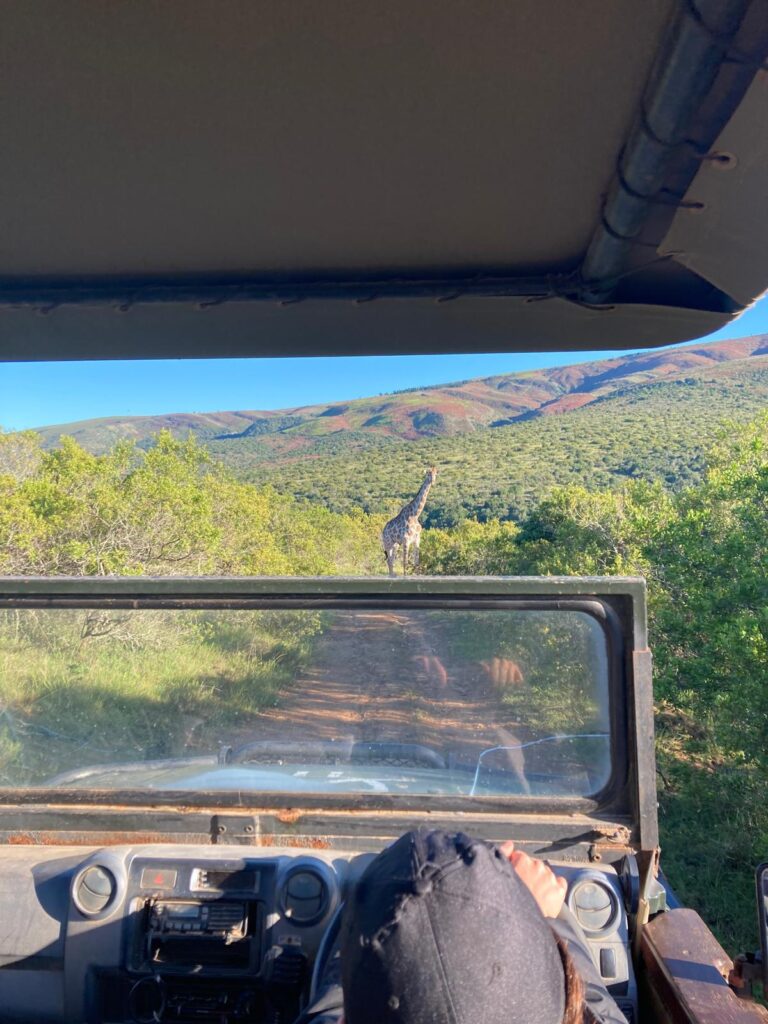
  • Guided drives: Rangers and trackers dramatically improve your chances of great sightings.
  • Off-road access: Vehicles can follow animals beyond main tracks.
  • Exclusivity: Sightings often capped at 2–3 vehicles.
  • Comfort: Lodges often include gourmet dining, pools, and high staff-to-guest ratios.


Considerations

  • Cost: £300–£1200 per person per night, though meals and drives are included.
  • Less flexibility: Days follow lodge routines and set game drives.
  • Smaller areas: Landscapes can feel more managed than vast parks.

Quick Comparison

FeatureNational ParksPrivate Reserves
CostLow–moderateHigh (all-inclusive)
FreedomSelf-driveStructured drives
ExpertiseDIY spottingGuided rangers & trackers
Wildlife accessRoads onlyOff-road allowed
AtmosphereBusy at timesExclusive, fewer vehicles
AccommodationRest campsLuxury lodges

How to Decide

Ask yourself:

  • Do you prefer independence or a curated experience?
  • Is your priority budget or comfort and expertise?

Would you trade flexibility for higher chances of close sightings?

A Common Approach

Many travellers choose both:

  • 3–4 nights in Kruger for independence and vastness
  • 2–3 nights in a private reserve for guided drives and close encounters

This way, you experience the best of both.

You can also read our guide on How Long Do You Really Need for a First Trip to South Africa? and What Does a Luxury South Africa Trip Actually Cost? A Realistic Guide

Final Thought

There’s no single “best” choice. National parks give you freedom, affordability, and scale. Private reserves provide expertise, intimacy, and comfort.

It comes down to matching the experience to what matters most for your trip.

You can also read our guide on Is South Africa Safe for UK Travellers? An Honest Assessment
What Every UK Traveller Should Know Before Planning South Africa

Your insider guide to travelling safely, meaningfully, and well.

Created by Sandra Dowling, who called South Africa home for 36 years.

You Might Also Find These Useful

You’ve probably typed some version of this into Google already: “How much does a South Africa holiday actually cost?” And if you’re anything like many of the thoughtful couples I speak to, the answers online have probably left you more confused than informed. One website says you can do South Africa for under £3,000.
If you’re planning a South Africa holiday, the safari decision can feel surprisingly confusing. At first, it sounds simple enough. You want wildlife. You want good guiding. You want a comfortable place to stay. You want to see animals in the wild, not feel as though you’ve accidentally booked something that resembles a glorified zoo visit. Then you start researching.
“Why shouldn’t I just book this myself online?” Flights are searchable. Hotels are bookable. Reviews are everywhere. AI can produce an itinerary in seconds. So why involve anyone else? If you’re still weighing up who to trust, it’s worth reading Is Your South Africa Travel Expert… Actually an Expert?, which breaks down how to spot genuine expertise versus generic planning.