A first trip is often about reassurance: Is South Africa safe enough? How long do you need? Should you include safari? How do Cape Town, the Garden Route and the Winelands fit together?
If you are still planning your first visit, these guides may help:
But a second trip asks a different question:
What kind of South Africa do you want to experience next?
Mountains? Quiet coastline? History and culture? A different safari? Food, wine, open landscapes or slower travel?
That is where the second trip becomes exciting.
Possibly, yes.
Cape Town, the Winelands, the Garden Route and safari are all worth returning to. A second visit does not have to avoid the famous places entirely.
Cape Town can reward another stay if you want to explore more slowly, try different neighbourhoods, enjoy the food scene, or spend longer in the Winelands. Read: How Many Days Do You Need in Cape Town?
The Garden Route can also feel very different when it is not rushed. Read: Is the Garden Route Worth It?
But if your instinct is, “I want to see a different side of South Africa this time,” the regions below are where I would start.
The Drakensberg is one of South Africa’s most dramatic landscapes, but it is often overlooked by first-time visitors.
It offers mountains, cliffs, valleys, waterfalls, walking trails, San rock art, fresh air and a real sense of space. It feels completely different from Cape Town, the Garden Route or safari.
Choose the Drakensberg if you want:
It works especially well for travellers who love places like the Lake District, Scottish Highlands, Alps or Dolomites, but want a South African landscape with its own atmosphere and culture.
For a deeper introduction, read: Is the Drakensberg Worth Visiting on a South Africa Trip?
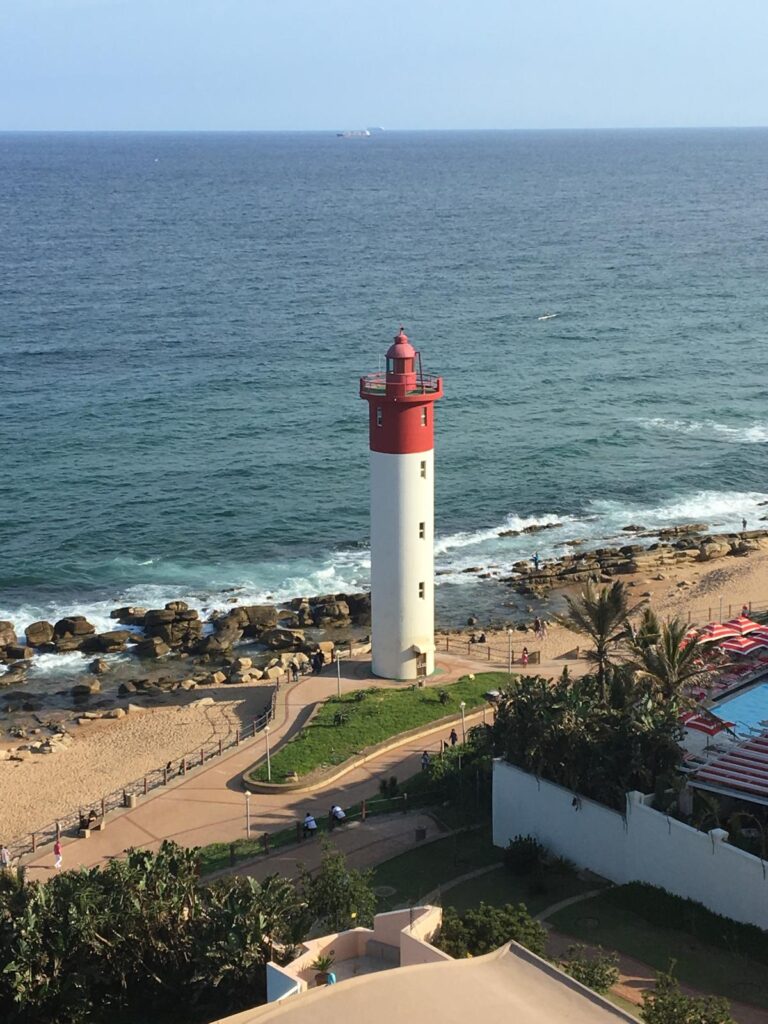
KwaZulu-Natal is one of the most varied regions in South Africa.
It can include Indian Ocean coastline, Durban, Zulu culture, the Battlefields, wildlife reserves, the Midlands and the Drakensberg. It is a wonderful choice if you want your second trip to feel more layered and less familiar.
The KwaZulu-Natal Midlands is a scenic inland area between Durban and the Drakensberg, known for rolling countryside, small towns, farm stalls, craft shops, gardens, galleries, country hotels and relaxed food stops. It makes a lovely contrast to both the coast and the mountains.
Choose KwaZulu-Natal if you want:
KwaZulu-Natal needs thoughtful planning, but for curious travellers it can be one of the most rewarding second-trip choices.
Gauteng is often overlooked because many travellers fly into Johannesburg and leave again as quickly as possible.
That is understandable, especially for first-time visitors. But it also means many people miss one of South Africa’s most important and energetic regions.
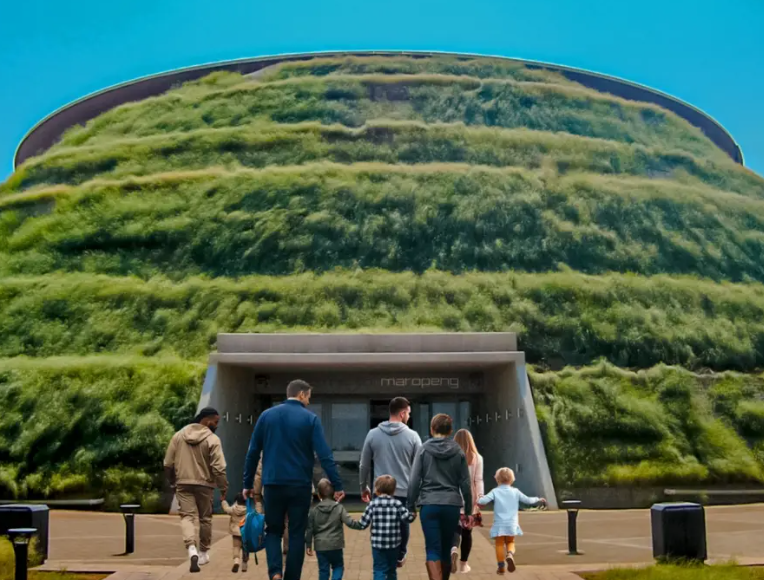
Gauteng gives you Johannesburg, Soweto, Pretoria, Constitution Hill, the Cradle of Humankind, excellent food, art, music, heritage, highveld skies and open landscapes beyond the city.
The Cradle of Humankind is part of the UNESCO-listed Fossil Hominid Sites of South Africa and offers a fascinating look at ancient human history. It adds a completely different layer to a South Africa trip.
Choose Gauteng if you want:
Gauteng is urban, complex and energetic, so local knowledge matters. I would not suggest wandering around casually without a plan. But with the right guide, hotel and itinerary, it can be one of the most eye-opening parts of a South Africa holiday.
If you are considering time in Gauteng, this safety guide may also help: Is South Africa Safe for UK Travellers?
Madikwe and the Waterberg should not be seen as runner-up safari choices. They offer a different kind of safari experience from Kruger, and for the right traveller, that is exactly the appeal.
The Waterberg Biosphere Reserve is recognised by UNESCO’s Man and the Biosphere Programme and is known for ancient mountains, open savannah, dramatic rock formations, wildlife reserves and a strong sense of space.
Madikwe is one of South Africa’s most rewarding malaria-free safari areas, known for Big Five wildlife, excellent lodges and a quieter, more exclusive feel than some busier safari regions.
Choose Madikwe or the Waterberg if you want:
These areas pair especially well with Gauteng. You can fly into Johannesburg, spend time exploring the city, Soweto, Pretoria or the Cradle of Humankind, then continue by road transfer to safari.
If you are still deciding how long to spend on safari, read: How Many Days Do You Need on Safari in South Africa?
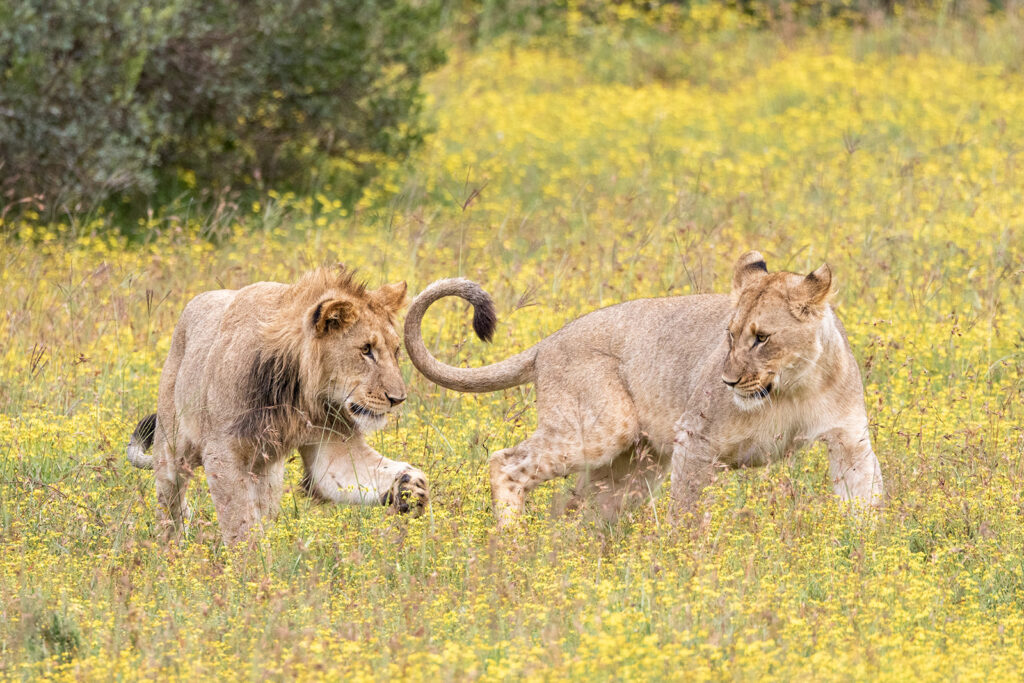
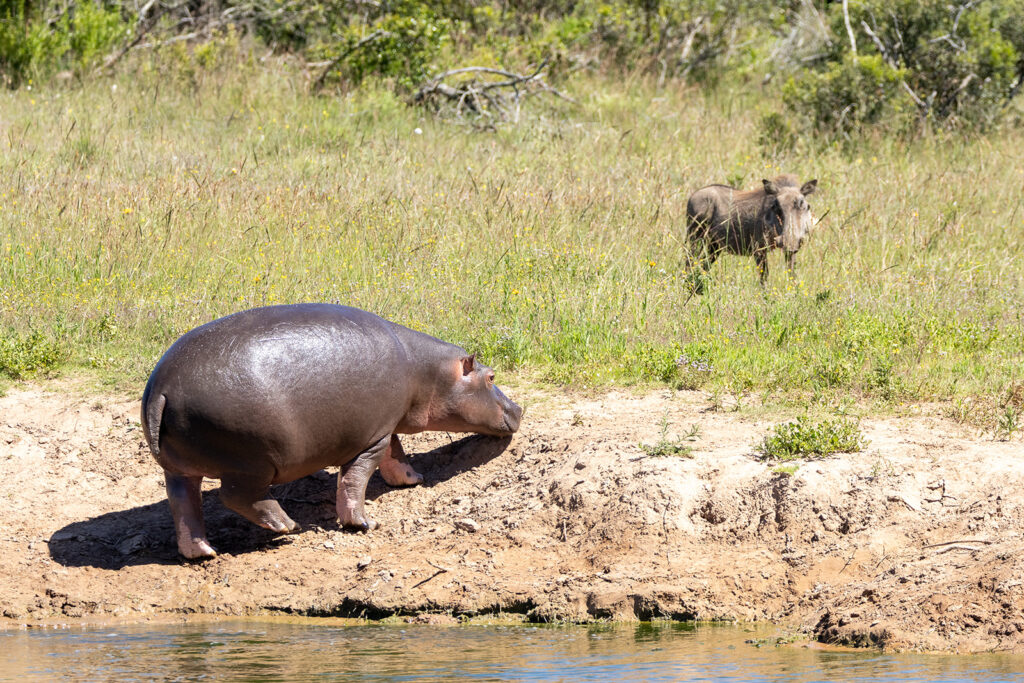
The Eastern Cape is often mentioned only in relation to malaria-free safari, especially for families. That is one of its strengths, but the region offers more than safari alone.
It has wildlife reserves, Addo Elephant National Park, rugged coastline, frontier history, Xhosa culture, small towns, mountain scenery and quieter stretches of coast.
Choose the Eastern Cape if you want:
The Eastern Cape is not as glossy as the Western Cape and does not have the same name recognition as Kruger. But for travellers who enjoy quieter regions with heart, space and variety, it can be very rewarding.
The Cederberg is a wonderful choice if you want something wilder and more rugged within reach of Cape Town.
Think mountains, unusual rock formations, rooibos country, walking trails, clear night skies and a sense of remoteness that many travellers do not expect so close to the city.
Choose the Cederberg if you want:
It works well as part of a slower Western Cape return trip, especially if you have already seen Cape Town, Franschhoek, Stellenbosch and the Garden Route.
The Karoo is not the obvious choice for everyone, but it can be deeply memorable.
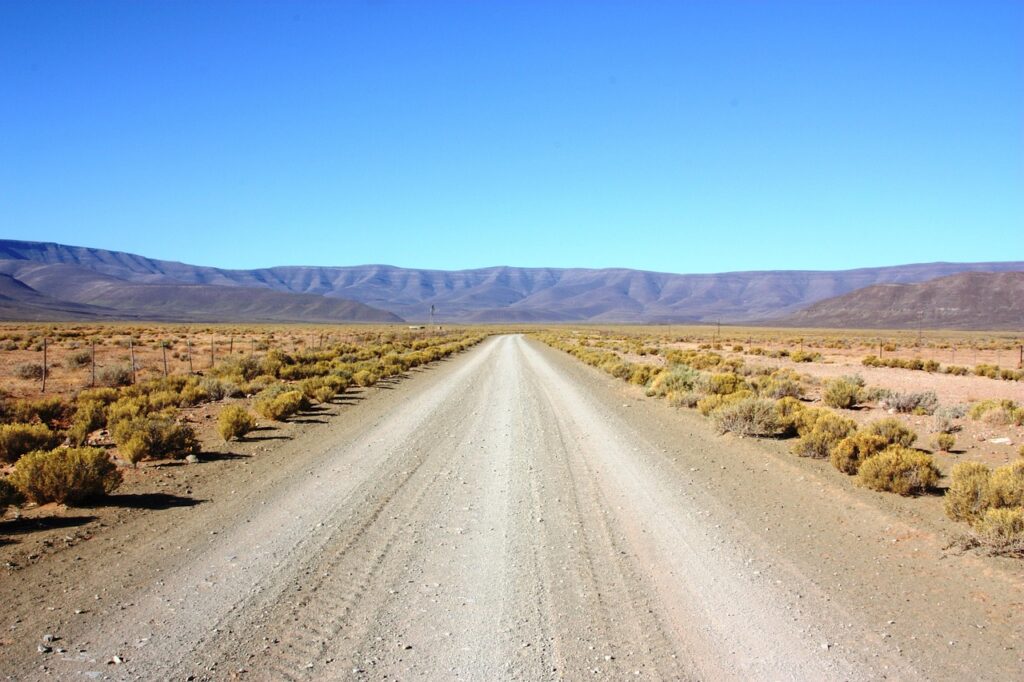
It is a region of wide spaces, dry landscapes, small towns, farm stays, history, architecture, stars and silence. It does not shout for attention. It slowly gets under your skin.
Choose the Karoo if you want:
The Karoo is best for travellers who do not need constant entertainment. If you enjoy atmosphere, photography, local character and quiet landscapes, it may surprise you.
The West Coast offers a quieter, more windswept version of the Cape.
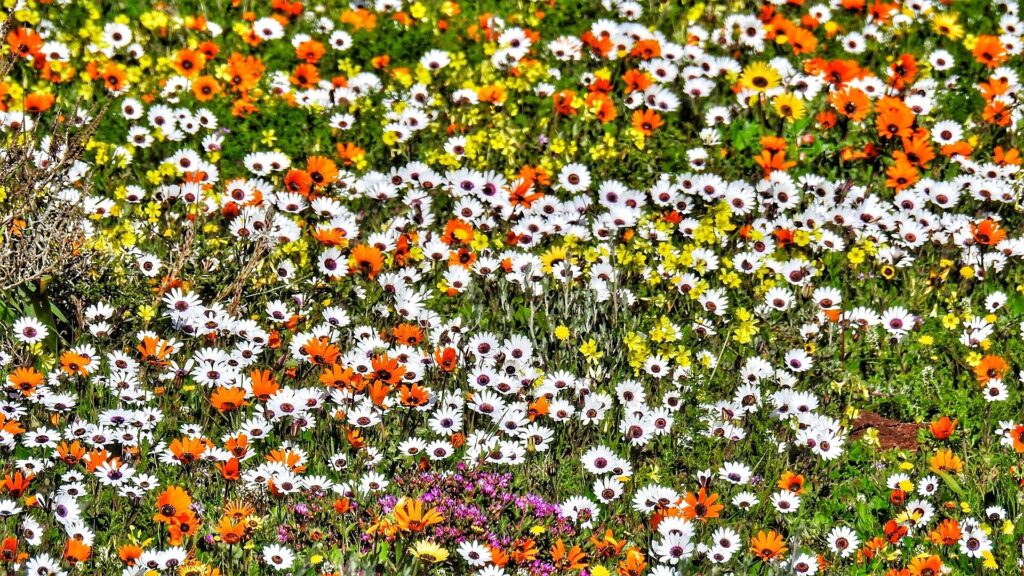
Depending on the season, it can include wildflowers, fishing villages, seafood, birdlife, lagoons and long, open landscapes.
Choose the West Coast if you want:
It works well for return visitors who still want to fly into Cape Town but do not want to repeat the usual Cape Town, Winelands and Garden Route pattern.
The Overberg is often rushed through on the way to the Garden Route, but it deserves more attention.
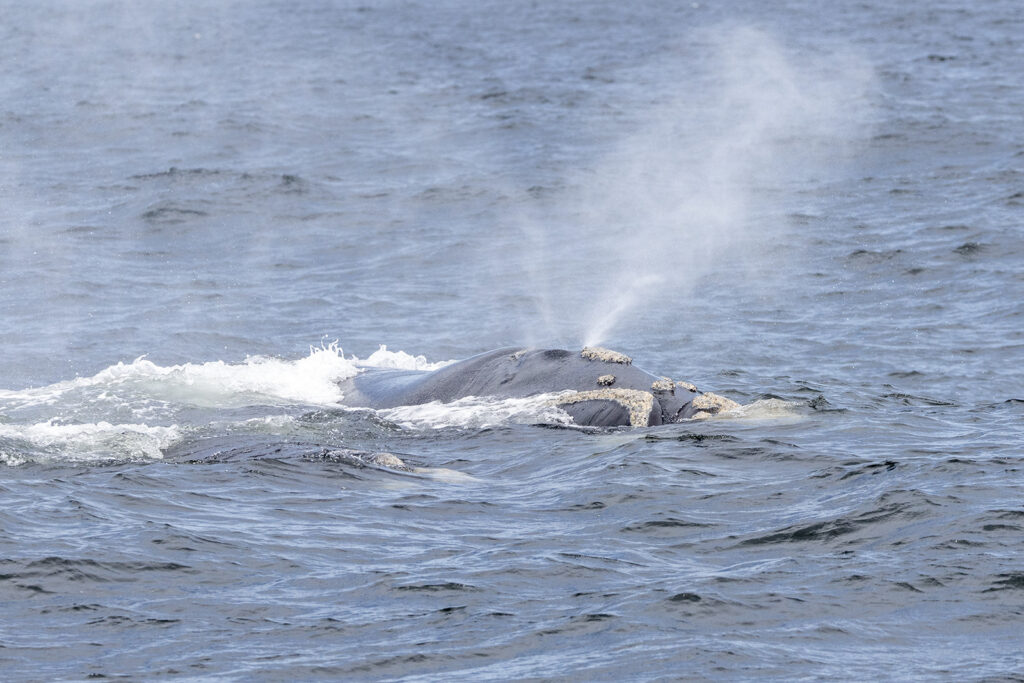
This region includes Hermanus, Stanford, De Hoop, the Hemel-en-Aarde Valley and coastal nature reserves. It can offer whale watching, fynbos, wine, food, walking, beaches and boutique stays.
Choose the Overberg if you want:
If you have already done the classic Winelands, the Hemel-en-Aarde Valley can be a lovely alternative. And if you have already done the Garden Route, the Overberg may give you enough coast and scenery without needing to drive as far.
If your first safari was short, or if you went straight to a private lodge and did not explore the wider Kruger region, the Panorama Route can make a return trip feel more complete.
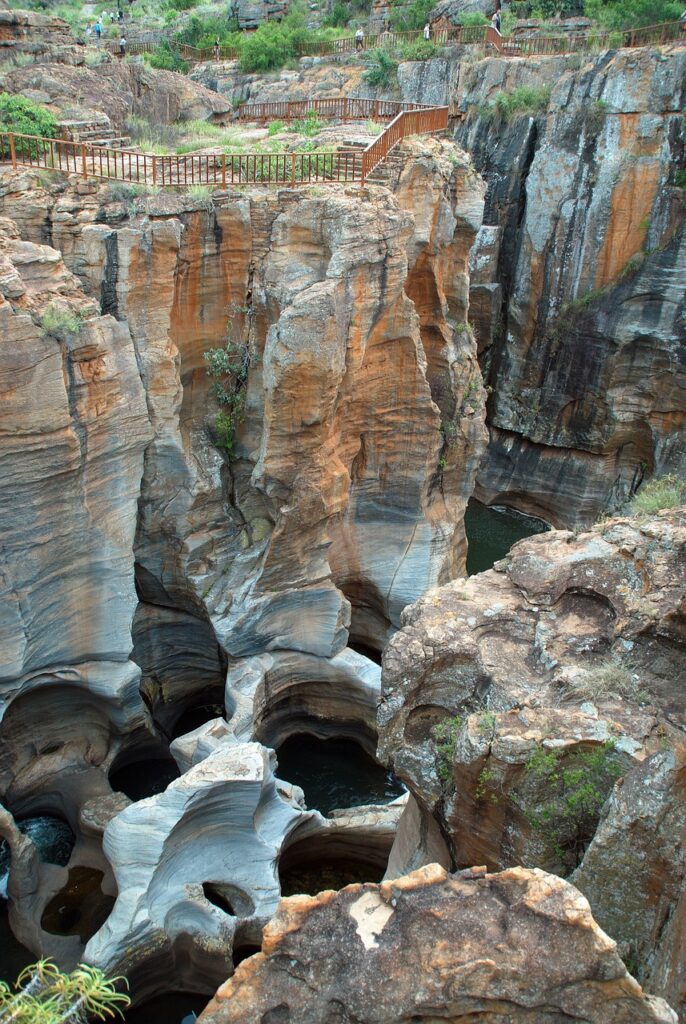
It includes dramatic viewpoints, waterfalls, canyons and escarpment scenery. It often combines naturally with Kruger or nearby private reserves.
Choose the Panorama Route if you want:
If your priority is maximum wildlife time, you may choose extra nights on safari instead. But if you enjoy scenery and road travel, the Panorama Route can add a beautiful dimension to a second safari trip.
For help choosing the right safari style, read: Kruger National Park vs Private Game Reserve: Which South Africa Safari Is Best for You?
Many first-time visitors go to Stellenbosch or Franschhoek, and rightly so.
But if you have already visited the classic Winelands, a second trip is a good chance to look elsewhere.
Consider:
Choose lesser-known wine regions if you want:
These regions work beautifully with a slower Cape, Overberg, West Coast or Cederberg itinerary.
Here is a simple way to think about it.
If you want mountains and walking, choose the Drakensberg or Cederberg.
If you want history and culture, choose Gauteng, KwaZulu-Natal or the Eastern Cape.
If you want another safari, consider Madikwe, the Waterberg, the Eastern Cape or a different part of the Greater Kruger region.
If you want quiet coast, look at the West Coast, Overberg or Eastern Cape.
If you want slow travel and space, consider the Karoo, Cederberg, Eastern Cape or parts of Gauteng beyond the city.
If you want food and wine, look beyond Stellenbosch and Franschhoek to Hemel-en-Aarde, Elgin, Robertson, Swartland or Johannesburg’s food scene.
The important thing is not to choose the region everyone else talks about.
Choose the region that matches the feeling you want from the trip.
These are not fixed routes, but they may help you picture what a return trip could look like.
KwaZulu-Natal and Drakensberg
Durban or Umhlanga → Midlands → Battlefields → Drakensberg → optional safari
Best for mountains, culture and history.
Gauteng and safari
Johannesburg → Soweto or Constitution Hill → Cradle of Humankind → Madikwe or Waterberg
Best for history, food and a special malaria-free safari.
Cape Town, Garden Route and northern safari
Cape Town → Winelands or Overberg → Garden Route → Johannesburg connection → Madikwe or Waterberg
Best for travellers who want the Western Cape plus a special safari.
Garden Route and Eastern Cape
Cape Town → Garden Route → Eastern Cape safari → Addo or Sunshine Coast
Best for families or travellers wanting malaria-free safari and slower coastal travel.
Slow Cape return
Cape Town → Cederberg → West Coast → Overberg → Hemel-en-Aarde
Best for scenery, wine, flowers in season and slower travel.
Karoo and Cederberg
Cape Town → Cederberg → Karoo → Robertson or Swartland → Cape Town
Best for quiet, space and atmosphere.
Yes, if you genuinely want to.
Cape Town can be a lovely start or end point for a second trip. It is a natural gateway, and many travellers enjoy returning for a few nights.
But it does not need to dominate the whole itinerary.
On a second visit, Cape Town might simply be:
The question is:
Are you going back to Cape Town because you truly want to, or because you are not sure what else to do?
If it is the second one, it may be time to look further.
The biggest mistake is assuming your second trip has to be more complicated.
It does not.
A second trip should be deeper, not busier.
You do not need to add five unfamiliar regions just because you have already seen the famous ones. In fact, the best second trips often have fewer stops and a stronger theme.
For example:
The more clearly you define the feeling of the trip, the easier the planning becomes.
Here is the short version.
Choose the Drakensberg for mountains, walking and space.
Choose KwaZulu-Natal for coast, culture, history and regional variety.
Choose Gauteng for history, food, culture and South Africa’s urban heart.
Choose Madikwe or the Waterberg for a special malaria-free safari.
Choose the Eastern Cape for malaria-free safari, quiet coast, history and variety.
Choose the Cederberg for wilderness and rugged beauty.
Choose the Karoo for silence, slow travel and big skies.
Choose the West Coast for flowers, fishing villages and quiet coastline.
Choose the Overberg for whales, fynbos, wine and gentle luxury.
Choose the Panorama Route if you are returning to the Kruger region.
Choose lesser-known wine regions if food and wine are calling you back.
But the better answer is this:
Go where the trip feels different enough to be worth returning for.
South Africa is not just Cape Town, the Garden Route and safari. Those are wonderful entry points, but they are not the whole story.
A second trip gives you permission to slow down, go deeper, and discover the South Africa many visitors never reach.
I’m Sandra Dowling, and I specialise in helping UK travellers plan meaningful, well-paced South Africa holidays.
I lived in South Africa for 36 years, so I know how different one region can feel from another — and how important it is to match the itinerary to the traveller, not just the destination.
Whether you are returning to South Africa for the second time, or simply want to go beyond the obvious on your first trip, I can help you decide which regions genuinely suit your travel style, comfort level, budget and time available.
Book a friendly discovery call and let’s talk through what kind of South Africa trip would suit you best.